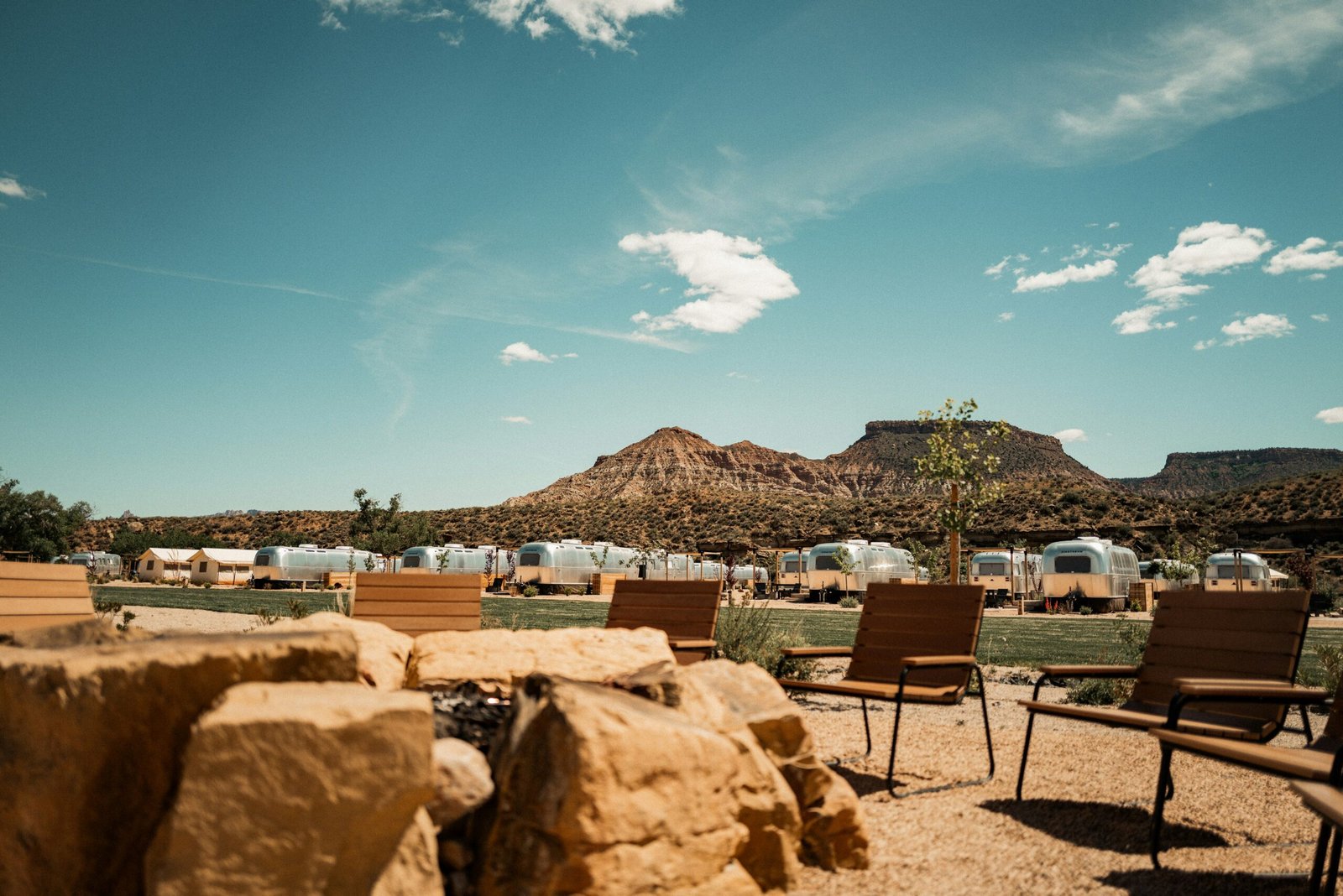
One of the first things that surprises people when they start van life is how much free camping actually exists in the United States. We’re talking millions of acres of public land where you can legally park and sleep for free — no reservation, no fees, no check-in time. The trick is knowing where to look and how to find the good spots.
This guide covers everything — the different types of free camping, the apps that actually work, how to find spots that aren’t overrun, and a few things that will make your first free camping experience much smoother than mine was.
Once you’ve figured out your camping strategy, use VanCalc’s monthly budget calculator to see how much you’ll save by mixing free and paid camping — the difference is significant.
BLM Land — The Van Lifer’s Best Friend
Bureau of Land Management (BLM) land is the backbone of free camping in the US. The BLM manages around 245 million acres of public land — most of it in the western states — and the vast majority of it allows dispersed camping for free, for up to 14 consecutive days in any one location.
The states with the most BLM land are:
- Nevada — 48 million acres, enormous and largely empty
- Alaska — 72 million acres, incredible but remote
- Utah — 22 million acres, some of the best scenery in the country
- Wyoming — 18 million acres, underrated and uncrowded
- Arizona — 12 million acres, popular with the van life community for good reason
- Colorado, Idaho, Montana, Oregon, California — all have substantial BLM land
The important thing to understand about BLM land: not all of it allows camping. Some areas have fire restrictions, some are protected habitats, and some have specific rules about how far you need to be from water sources. Always check the specific BLM field office website for the area you’re visiting before you go.
National Forests — Underrated and Abundant
National Forests allow dispersed camping almost everywhere — not just in designated campgrounds. This means you can pull off a forest road, set up wherever looks good, and stay for free. The rules vary by forest but the general limit is 14–16 days in one spot.
National Forests exist across the whole country, not just the west. The Appalachian, Ozark, and Ouachita National Forests in the east and midwest have plenty of dispersed camping options that most people overlook.
The main thing to know: dispersed camping in National Forests typically means no facilities. No toilets, no water, no rubbish collection. You pack in and pack out completely.
The America the Beautiful Pass — Worth Every Dollar
If you’re doing van life in the US and you haven’t got one of these yet, stop reading and go buy one. The America the Beautiful pass costs $80/year and gives you:
- Free entry to all National Parks, National Monuments, and federal recreation areas
- 50% discount on camping at many federal campgrounds
- Entry for the pass holder plus three adults (kids under 16 always free)
The pass pays for itself in a few days of National Park visits. If you’re spending a year in a van, it saves you hundreds of dollars.
Stealth Camping in Cities and Towns
Not all free camping is in the wilderness. A significant part of van life involves sleeping in towns and cities — parking lots, residential streets, industrial areas — without drawing attention to yourself.
This is called stealth camping, and it’s a skill that gets easier with practice. A few things that make it work:
- Arrive late, leave early. Park after dark, move before 7am. Less time visible means less chance of being knocked on.
- Blackout curtains. No light escaping from inside is the single most important thing for stealth camping.
- Look like you belong. In a residential area, park near other vehicles. In an industrial area, park near work vans. Don’t stand out.
- Have a backup plan. Always know where you’ll go if you get moved on. Being tired and stressed at midnight looking for parking is not fun.
- Know local laws. Some cities have ordinances against sleeping in vehicles. Check before you commit to an area.
Walmart has traditionally allowed overnight van and RV parking in most of its locations — check the Walmart website or app before parking, as policies vary by store. Same with Cracker Barrel restaurants.
The Apps That Actually Work
Finding good free camping spots has become much easier with community-powered apps. The ones actually worth using:
The Dyrt PRO ($35/year) — the best overall camping database in the US. Offline maps, cell coverage data, thousands of free dispersed spots plus paid sites, user reviews with photos and dates. If you only pay for one camping app, make it this one.
Freecampsites.net (free) — solid community database of free spots, especially for BLM land and dispersed camping in the west. No offline maps but it’s free and comprehensive enough to be worth using alongside The Dyrt.
Campendium (free) — particularly useful for cell coverage data at each campsite. If you work remotely, knowing the signal situation before driving an hour down a dirt road is invaluable.
iOverlander (free) — originally built for overlanders. Best for remote and unusual spots that don’t appear on other apps. Great for backcountry areas.
Recreation.gov (free) — for booking paid federal campgrounds. The most popular spots — Yosemite, Zion, Rocky Mountain — book out months in advance. Set up alerts for cancellations.
Tips for Finding Good Spots That Aren’t Overrun
The best free camping spots aren’t always the ones at the top of the app — those get visited so often they can feel like crowded campgrounds. Here’s how to find the quieter ones:
- Look at satellite view before you go. Google Maps satellite view shows you what the terrain actually looks like — whether there’s a flat spot, whether the road looks passable, whether there are trees for shade.
- Read the most recent comments. A spot that was great two years ago might now be closed, overgrown, or have a locked gate. Check the date on reviews.
- Go one road further. The spots right off the main highway are usually the most used. Drive an extra mile or two on a forest road and you’ll often find something much better.
- Talk to locals. Rangers, gas station attendants, and other van lifers often know spots that aren’t on any app. Ask.
- Use the 14-day rule strategically. On BLM land you can stay 14 days before you have to move. Find a great spot and stay — don’t move every night if you don’t have to.
What to Have in Your Van for Free Camping
The more self-sufficient your van, the more free camping spots become viable. A few things make a big difference:
- 12V compressor fridge (~$329) — keeps food fresh without hookups or ice. Opens up remote spots that are too far from shops for a cooler to work.
- Solar panels (~$189) — power without hookups. 200W of solar means you can stay off-grid indefinitely in good sun.
- Jackery Explorer 1000 Pro (~$899) — if you want off-grid power without a full wiring project.
- Portable camp shower (~$139) — your own shower means you don’t need campsite facilities. Dramatically expands where you can stay comfortably.
- Sawyer Squeeze water filter (~$38) — filter from streams or questionable taps. Reduces how often you need to find a water fill station.
- WeBoost Drive Reach (~$499) — amplifies weak cell signal. Makes spots viable for remote work that would otherwise have no usable internet.
Leave No Trace — This Actually Matters
Free camping on public land is a privilege that’s been restricted or removed in several areas because of people leaving rubbish, cutting vegetation, and generally trashing spots. Please don’t be that person.
The basics: pack out everything you brought in. Don’t leave a fire ring if there wasn’t one. Don’t cut live wood. Use a cat hole or portable toilet for waste — never leave it on the surface. Leave the spot looking exactly as you found it, or better.
This isn’t just ethics — it’s practical. The more van lifers treat public land well, the more access we all keep.
The Bottom Line
Free camping in the US is genuinely one of the greatest things about van life here. Millions of acres of public land, a community that shares spots generously, and apps that make finding them easy. With The Dyrt PRO and a basic understanding of BLM and National Forest rules, you can spend the majority of your van life nights without paying for a campsite.
The money you save on camping goes a long way — use VanCalc’s budget calculator to see exactly how much, and adjust your camping split to find the monthly number that works for your budget.
Related reads: Best Free Camping Apps for Van Life · How Much Does Van Life Cost Per Month? · Van Life in Europe Guide
2 thoughts on “How to Find Free Camping in the US — The Complete Van Lifer’s Guide”