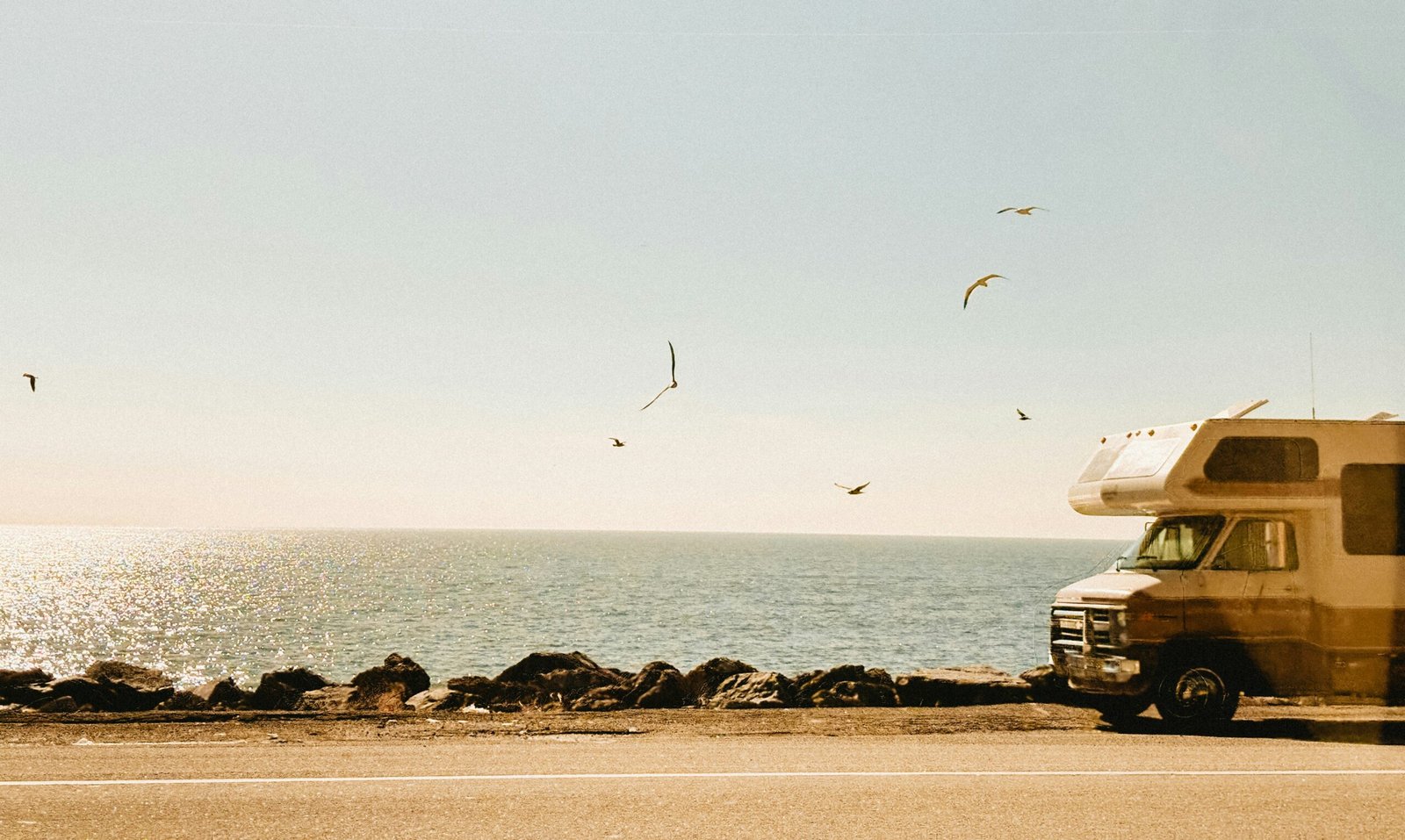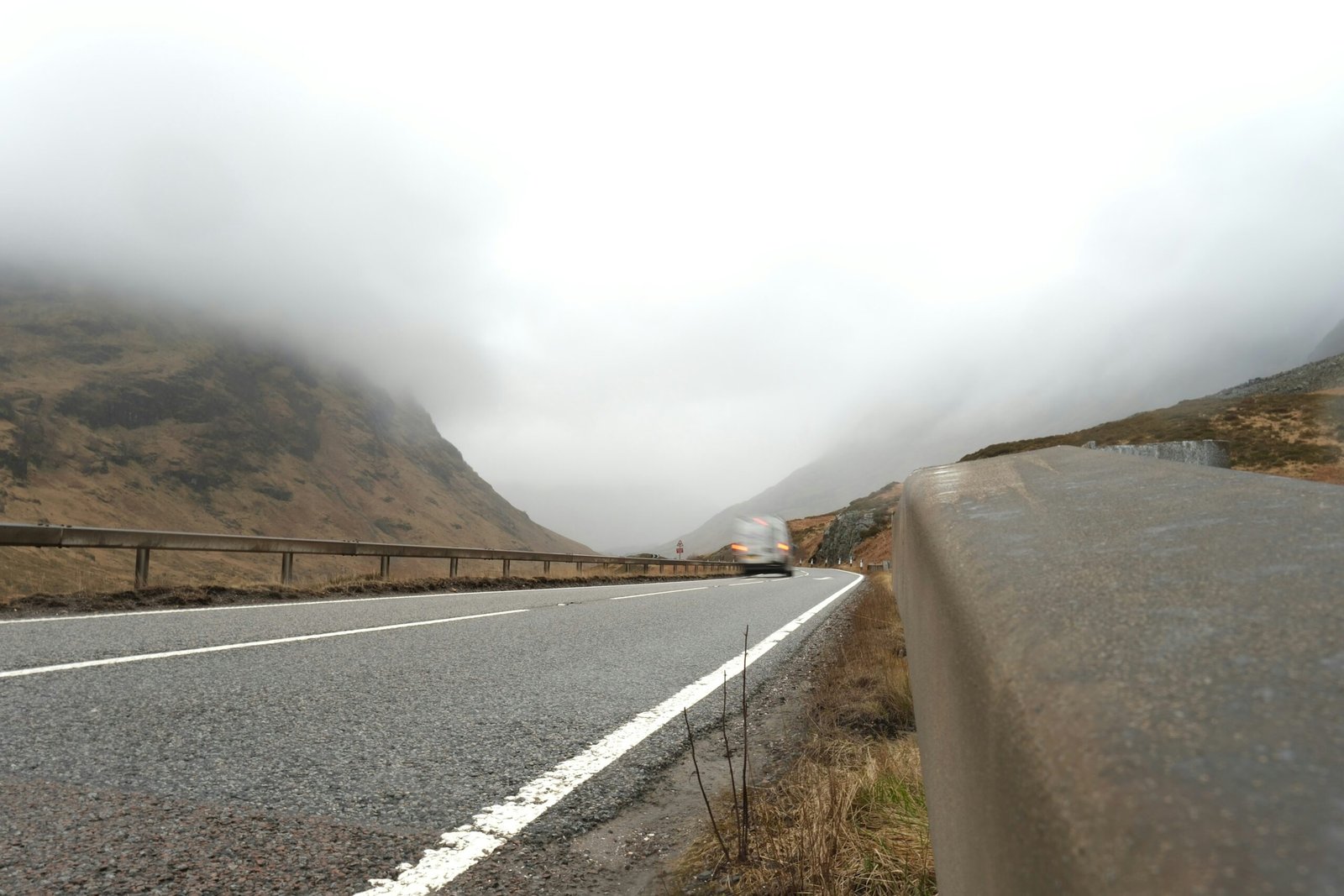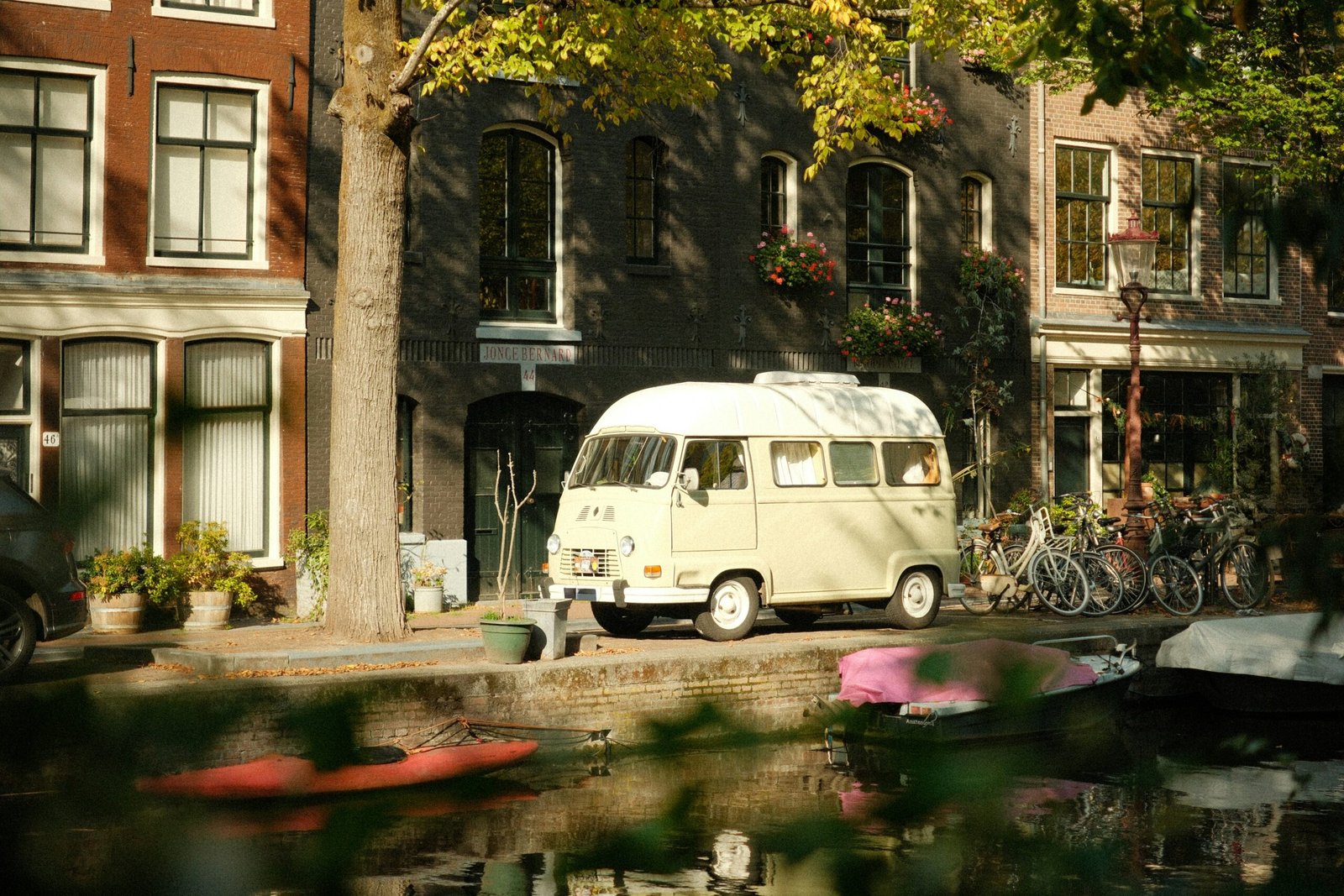
Europe is probably the best continent in the world for van life. I know that sounds like a bold claim, but hear me out — you can drive from the Atlantic coast of Portugal to the Norwegian fjords without a single border checkpoint, camp for free in some of the most beautiful landscapes on earth, and spend less per month than you would renting a flat in most cities. It’s genuinely that good.
But it’s also very different from van life in the US, and if you arrive without understanding those differences, you’ll make expensive and frustrating mistakes. This is everything I wish I’d known before driving into Europe for the first time.
Before anything else — use VanCalc’s free budget calculator in € mode to get a realistic monthly number for wherever you’re planning to go. Costs vary enormously by country.
The Thing Nobody Tells You About Wild Camping in Europe
In the US, you can pull up a BLM map and find thousands of legal free camping spots. Europe doesn’t work like that — the rules are completely different in every single country, and some of them will surprise you.
Here’s the honest breakdown:
Portugal — Just go here first
Honestly, if you’re new to European van life, start in Portugal. Wild camping is widely tolerated, the weather is fantastic from March to October, prices are low (we spent around €950/month as a couple), and the people are incredibly friendly to van lifers. The Alentejo, the Algarve coast, and the north near Gerês are all spectacular.
Spain — Generally great, with caveats
Spain is huge and the rules vary a lot by region. Rural areas are mostly fine for overnight parking. Cities are a different story — Barcelona, Madrid, and the bigger coastal towns have cracked down hard on overnight van parking. The Atlantic coast (Galicia, Basque Country) and the Pyrenees are some of the best van life areas in Europe.
France — More complicated than it looks
Wild camping is technically illegal in France, but the country has thousands of Aires de camping-car — dedicated motorhome parking areas that are often free or €5–10/night. Once you know how to use Aires, France becomes very manageable. Fuel is expensive though (around €1.85/litre) and Paris is basically off-limits for sleeping in a van.
Norway & Sweden — Wild camping heaven
Allemansrätten — the right to roam — means you can camp almost anywhere in Norway and Sweden for up to two nights. It’s one of the most liberating experiences in van life. The scenery is absurd. The cost, however, is also absurd — Norway especially will drain your budget fast. Budget €2,000–€2,500/month minimum.
Germany & Netherlands — Play by the rules
Wild camping is effectively illegal in both. Always use designated Stellplätze in Germany or campsites in the Netherlands. The infrastructure is excellent though — Germany has thousands of well-maintained motorhome areas and most are very affordable.
Croatia & the Balkans — The underrated gem
This is where European van life gets really exciting. Croatia, Bosnia, Montenegro, Albania — beautiful coastlines, relaxed attitudes toward overnight parking, incredible food, and costs that are roughly half of western Europe. Albania especially has blown up in the van life community recently and for good reason.
The Apps You Actually Need
You need two apps before you drive a single kilometre in Europe. Everything else is optional.
Park4Night is the one. Over 300,000 community-submitted spots across every European country — wild camping, Aires, farm stays, parking areas. Download it, pay for premium (€15/year — worth every cent), and download offline maps for every country before you lose signal. This app alone will save you hundreds of euros in campsite fees.
iOverlander is the backup, especially in the Balkans and eastern Europe where Park4Night’s coverage gets thinner. Free, and often has spots that nobody else has listed.
For Germany and northern Europe specifically, Campercontact is better than Park4Night for finding official motorhome areas. Worth downloading if you’re spending significant time there.
What Does Van Life in Europe Actually Cost?
Here’s what we found, roughly:
| Country/Region | Monthly budget (couple) | Fuel per litre |
|---|---|---|
| Portugal | €900–€1,300 | ~€1.65 |
| Spain | €1,000–€1,400 | ~€1.70 |
| Croatia/Balkans | €700–€1,100 | ~€1.55 |
| France | €1,400–€1,800 | ~€1.85 |
| Germany | €1,500–€2,000 | ~€1.75 |
| Norway/Sweden | €2,000–€2,800 | ~€2.10 |
Plug your specific route into VanCalc’s route cost calculator to get a fuel estimate before you go — it works in Euros and uses km/L so it actually makes sense for European driving.
Crossing Borders — What You Actually Need
Within the Schengen Area (most of the EU plus Norway, Switzerland, Iceland), borders are open — you drive through without stopping. It’s genuinely magical the first time you realise you’ve just crossed into a new country without slowing down.
A few things to have sorted before you go:
- Green Card — your vehicle insurance needs to include this for all countries you plan to visit. Check with your insurer before you leave.
- Vignettes — Switzerland and Austria require a road tax sticker. Buy the Swiss one before you enter (€40/year) — you cannot buy it at the border.
- Non-EU visitors — you get 90 days in the Schengen Area within any 180-day period. Keep track of this.
- UK residents post-Brexit — same 90/180 rule applies to you now.
The Best Van for European Roads
European roads are narrower than US roads. A lot narrower. Old town streets, mountain passes, Corsican coastal roads — these will test your spatial awareness in ways American highways never do.
The most popular choices:
- Mercedes Sprinter diesel — dominant for good reason. Excellent fuel economy (7–9L/100km), parts available everywhere from Lisbon to Tallinn, huge conversion community.
- Fiat Ducato / Peugeot Boxer / Citroën Jumper — these three share the same platform and are the budget workhorse of European van builds. Parts are cheap, mechanics know them everywhere in southern Europe.
- VW Transporter — smaller and way more manoeuvrable. Better for cities and mountain roads. You sacrifice living space but gain sanity in tight situations.
Gear That Makes European Van Life Easier
A few things made a real difference for us in Europe specifically:
Diesel heater — non-negotiable for autumn and winter anywhere north of Spain. We use a Vevor 5KW diesel heater (~$120) and it’s been completely reliable. Runs off your van’s diesel tank and heats the whole van in minutes. The expensive Webasto units are great but you really don’t need to spend that much.
Compressor fridge — wild camping in Europe often means no hookups for days at a time. A 12V compressor fridge (~$329) changed our food situation completely. No ice, no mess, keeps everything cold regardless of ambient temperature.
Solar setup — Europe gets less sun than the US southwest but solar still works well in summer. We run 200W of Renogy panels (~$189 each) with a Victron MPPT controller (~$149) and it handles everything fine from April to October.
EU data SIM — get an EU roaming SIM before you leave. Airalo does a good regional eSIM that works across all EU countries. Crossing borders every few weeks with a single-country SIM is a nightmare.
Van insurance with Green Card — Roamly is the go-to for US-based van lifers. If you’re European, check that your existing policy includes a Green Card for all countries on your route — many standard policies don’t cover everywhere automatically.
One Route Worth Doing
If it’s your first time and you want the best introduction to European van life without the complexity of going too far north or east, this route is hard to beat:
Lisbon → Algarve → Seville → Granada → Valencia → Barcelona → French Riviera
Roughly 3,500km, manageable in 4–6 weeks, mostly in affordable countries, and the scenery goes from Atlantic coast to Mediterranean in one trip. Use VanCalc’s route calculator to estimate your fuel costs — plug in your van’s L/100km and current diesel prices and it’ll give you the full breakdown.
The Bottom Line
European van life is genuinely one of the best things you can do. The combination of open borders, diverse landscapes, incredible food, and — in the right countries — very affordable living makes it hard to go back to a fixed address once you’ve done it.
Start in Portugal. Get Park4Night. Have a diesel heater for when it gets cold. And build a realistic budget before you go so the money side doesn’t stress you out when you’re supposed to be enjoying it.
→ Plan your European van life budget for free at VanCalc — in Euros