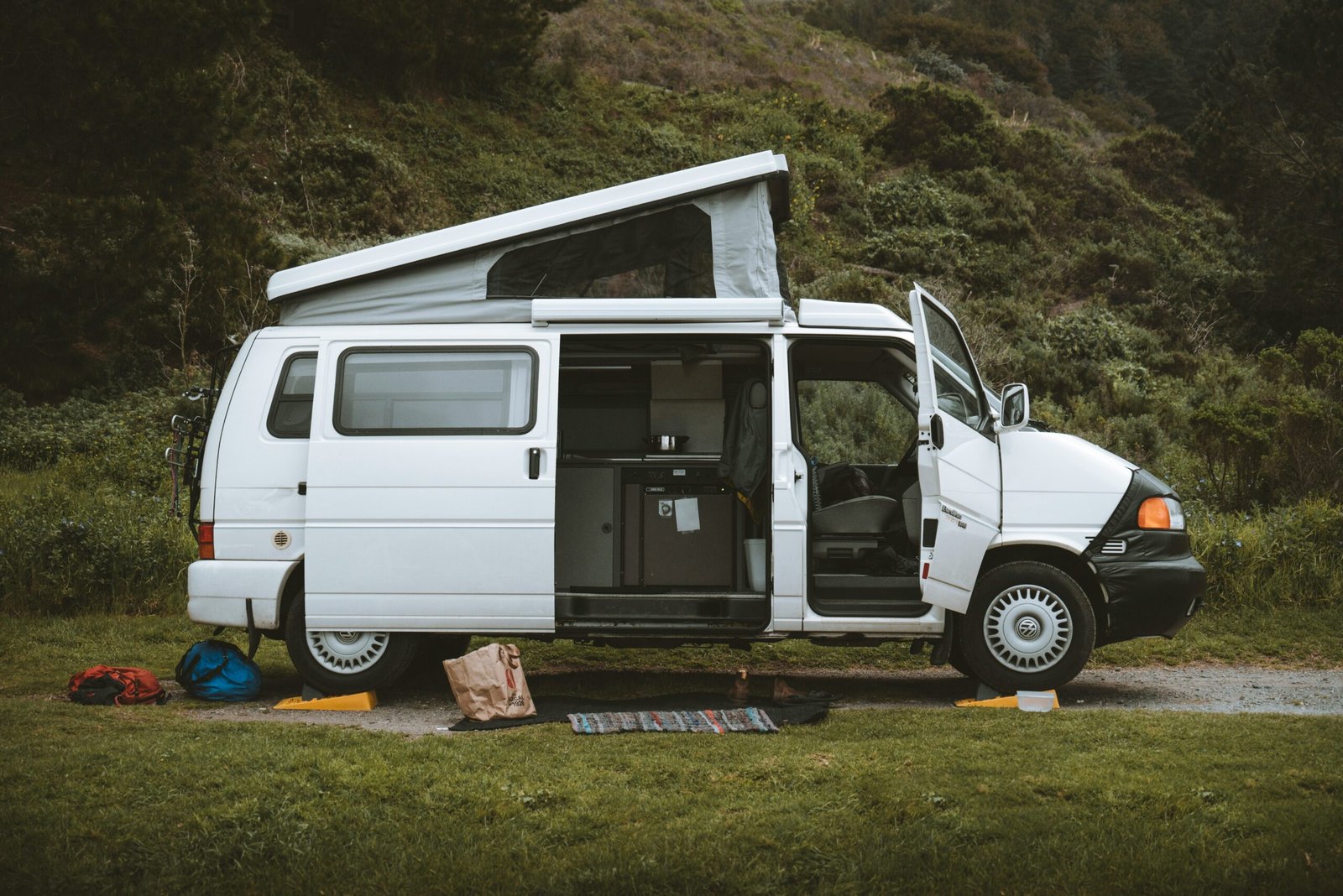
The hardest part of van life isn’t the living — it’s the starting. There’s an overwhelming amount of information out there, most of it either too vague to be useful or written by people who built $80,000 professional conversions and have forgotten what it’s like to have no idea where to begin.
This is the guide I’d give to someone starting from zero. Not the aspirational version — the practical one.
First: Are You Sure You Want to Do This?
I don’t mean that as a discouragement. I mean it as a genuine question worth sitting with before you spend $20,000 on a van and a build.
Van life is genuinely wonderful. It’s also genuinely hard in ways that the Instagram version doesn’t show: finding parking in the rain at 11pm, the van breaking down in a town where nobody speaks your language, the loneliness that hits sometimes when everyone else seems to be going home to something fixed and warm.
The best thing you can do before committing is try it. Rent a campervan for a week. Borrow a friend’s van. Do a weekend in your car. Live out of it as if it’s real — cook your own food, find your own parking, figure out the shower situation. If you love it, great. If you hate it, you’ve saved yourself a very expensive mistake.
Step 1: Figure Out Your Budget Before You Do Anything Else
This is the step most people skip, and it’s the most important one. Van life can cost $1,100/month or $2,500/month — the difference is almost entirely in choices you make upfront.
Use VanCalc’s free monthly budget calculator to get a realistic number before you start. Plug in what you think you’ll spend on fuel, camping, food, insurance, and maintenance. Then add the emergency buffer — 10–15% minimum, 20% if it’s your first van. Look at the annual total. Make sure it works with your income.
If the numbers don’t work, adjust the plan — not the budget. The van life community is full of people who underestimated their costs and ran out of money six months in. Don’t be one of them.
Step 2: Choose the Right Van for Your Situation
The van choice matters a lot, but not in the way most beginners think. You don’t need the most beautiful van or the most popular van — you need the right van for your budget, your route, and your build plans.
The short version of our full van guide:
- Ford Transit high-roof — the most popular choice in the US for good reason. Reliable, good fuel economy, parts everywhere. $15,000–$35,000 used.
- Mercedes Sprinter diesel — the aspirational pick. Better fuel economy, drives beautifully, but more expensive to repair. $18,000–$45,000 used.
- Ram ProMaster — tallest interior, most affordable, worst fuel economy. Good budget platform. $12,000–$28,000.
- Minivan (Grand Caravan etc.) — if you’re solo and on a tight budget. $5,000–$15,000 and you can start immediately.
Whatever you buy — get an independent pre-purchase inspection first. Always. A $150 mechanic inspection is the best money you’ll spend in the whole process.
Step 3: Plan the Build Before You Start Building
The most common beginner mistake is starting to build without a plan. You cut a hole in the roof for a fan, then realise you’ve put it in the wrong place for your bed layout. You insulate everything, then discover your electrical cables need to run through a wall you’ve already closed up. Van builds done without a plan cost more in redos than they save in spontaneity.
Spend a week living in the van before you build anything. Sleep in it, cook in it, work out where you naturally want things. Then plan your layout around your actual habits.
Our full van conversion cost breakdown covers every component in detail — read it before you buy a single piece of timber.
Step 4: The Electrical System — Do This Right
If there’s one area of the build where spending more upfront consistently saves money long-term, it’s the electrical system. An undersized system that frustrates you for years is more expensive than a properly sized one installed once.
For most full-time van lifers, the right setup is:
- 200–400W of solar on the roof
- 200Ah LiFePO4 lithium battery
- Victron SmartSolar MPPT controller
- DC-DC charger for alternator charging while driving
If the idea of wiring a van is too much for right now, the Jackery Explorer 1000 Pro (~$899) is a complete plug-and-play power station that handles a full day of remote work without any electrical knowledge. It’s not as cost-effective long-term but it gets you on the road now.
Read our full solar setup guide to size your system properly before buying anything.
Step 5: The Essentials You Actually Need Day One
You don’t need a perfect build to start. You need the essentials that make daily life functional. Everything else can come later.
Non-negotiables for day one:
- Somewhere to sleep — even a sleeping pad and bag while you build the bed properly
- Ventilation — a Maxxair roof fan (~$159) is the most impactful single addition to van life comfort
- Some power — even a small solar setup or power station for phone and laptop charging
- A way to cook — a 2-burner camp stove (~$89) is all you need to cook real food
- A way to keep food cold — a cooler works to start. A 12V compressor fridge (~$329) when you’re ready to upgrade
- Insurance — get a proper van life policy before you go. Roamly is the go-to in the US. Standard vehicle insurance won’t cover full-time living.
- Safety — CO detector (~$32) and fire extinguisher (~$22) if you’re running any combustion appliance
Step 6: Finding Places to Sleep
This is the thing that stresses beginners out the most, and it genuinely gets easier very quickly. The US has enormous amounts of free camping on public land — once you know how to find it, the accommodation problem mostly solves itself.
Read our complete guide to free camping in the US for the full picture. The short version:
- The Dyrt PRO ($35/year) — the best camping app in the US
- BLM land — millions of acres in the west where you can camp free for up to 14 days
- National Forests — dispersed camping almost everywhere, across the whole country
- America the Beautiful pass ($80/year) — free entry to all National Parks plus discounted camping
Step 7: Working Remotely or Planning Your Income
Van life without an income source is a countdown. Know how you’re going to earn money before you leave — don’t assume you’ll figure it out on the road.
The most common approaches:
- Remote job you already have — the cleanest option. If your employer allows remote work, this is the path of least resistance.
- Freelance work — design, writing, development, consulting. Flexible hours and location independence built in.
- Savings runway — some people save 6–12 months of expenses and figure out income while travelling. High risk, sometimes worth it.
- Seasonal work — campground hosting, harvest work, tourism jobs. Lower pay but often includes a place to park.
Our full guide to working remotely from a van covers the internet and power setup in detail.
The Mindset Stuff — Worth Saying
Van life is genuinely better than most people expect in some ways and harder in others. A few things that help:
Lower your standards for a while. Your first van life setup will be imperfect. Your cooking will be limited. Your shower situation will be inconvenient. That’s fine — it gets better as you learn what you actually need.
Build slowly. Don’t try to finish the perfect build before you go. Get the essentials working and hit the road. The best van builds are the ones built around real experience, not imagined scenarios.
Have an emergency fund. This is the most practical piece of advice in this whole guide. Van life without an emergency fund isn’t freedom — it’s one breakdown away from a crisis. Three months of expenses minimum before you go.
The community is genuinely helpful. Van life forums, subreddits, and Facebook groups are full of people who have already made every mistake you’re about to make and are happy to help you avoid them. Use them.
The Bottom Line
Starting van life doesn’t require a perfect plan or a perfect build. It requires a van you can afford, a budget that works, enough money saved to handle surprises, and the willingness to figure things out as you go.
Start with the budget. Use VanCalc’s free calculators to get real numbers before you make any big decisions — monthly costs, route fuel estimates, everything. Knowing what van life actually costs before you start is the difference between a plan that works and one that falls apart.
Then pick a van, build the essentials, and go. The rest you’ll figure out on the road.
Related reads: How Much Does Van Life Cost Per Month? · Best Vans for Van Life · Van Conversion Cost Breakdown · How to Find Free Camping in the US


If some one wants to be updated with latest technologies after
that he must be pay a quick visit this web site and be up to date every day.
Greetings! Very helpful advice in this particular post!
It is the little changes that make the most significant
changes. Thanks a lot for sharing!