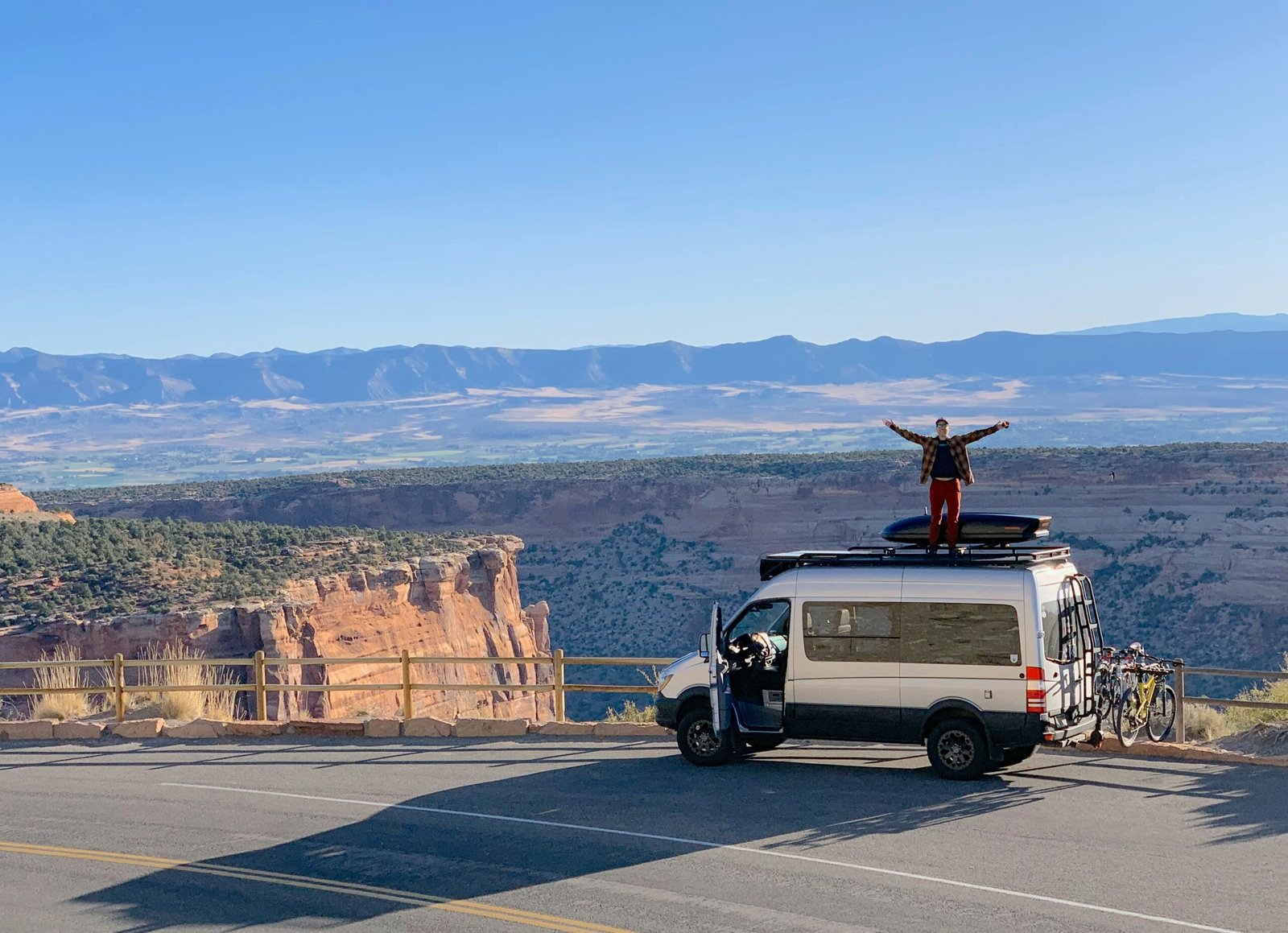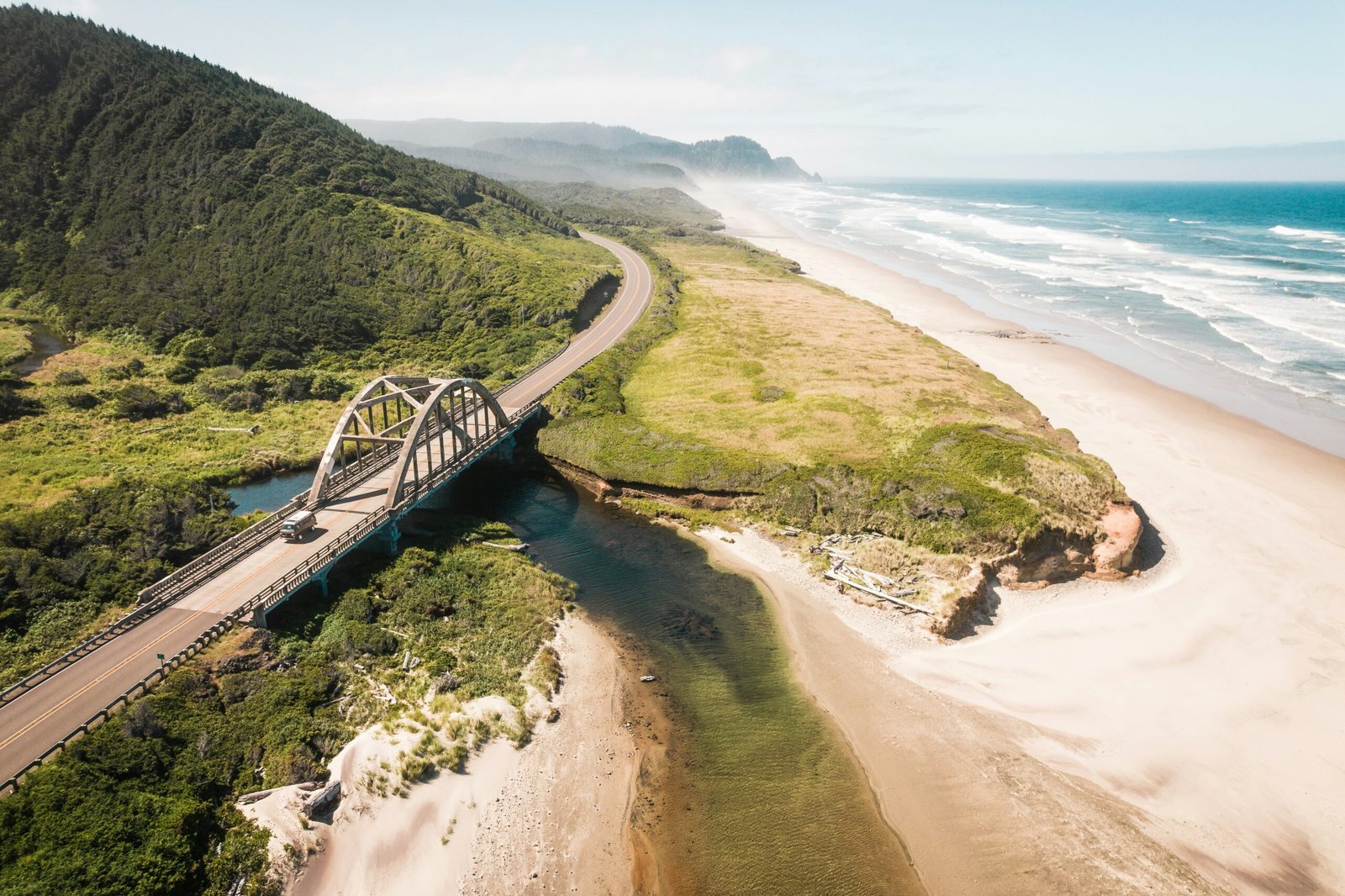
The Pacific Coast Highway is the road trip that sells the dream of American van life. Cliffs dropping into the Pacific, redwood forests, surf towns, and a ribbon of tarmac hugging the coast for hundreds of miles. Doing it by campervan is the purest way to experience it — you stop when the view demands it and sleep where the day ends. This is the complete guide to driving the PCH by campervan: the route, the best stops, where to camp, and what it costs.
Before you go, run your route through VanCalc’s route cost calculator to get a realistic fuel and camping estimate — California isn’t cheap, and it pays to know your numbers.
What Is the Pacific Coast Highway?
The PCH — officially Highway 1 — runs along the California coast. The classic van life stretch runs from San Francisco to San Diego, roughly 500 miles, though the full highway extends further north into Washington. Most people drive it north to south, which puts you in the right-hand lane closest to the ocean for the best views and easier pull-offs.
How Long Do You Need?
- 3 days — the absolute minimum, and you’ll be rushing
- 5–7 days — the sweet spot for San Francisco to San Diego
- 10+ days — if you want to add the northern California coast and redwoods
The road is slow by design — winding, single-lane in places, and packed with viewpoints you’ll want to stop at. Don’t plan big daily mileage. 100–150 miles a day is plenty on this route.
The Route & Best Stops (North to South)
San Francisco → Santa Cruz
Leave the city south across the coast. Half Moon Bay and the beaches along this stretch ease you in. Santa Cruz is a classic Californian surf town with a famous boardwalk — a great first night.
Santa Cruz → Monterey → Big Sur
Monterey and the 17-Mile Drive are worth the detour. Then comes the main event: Big Sur. This is the postcard stretch — Bixby Bridge, McWay Falls tumbling onto a beach, redwoods meeting the ocean. Slow right down here. It’s the best of the whole route.
Big Sur → San Simeon → Morro Bay
Stop at the elephant seal rookery near San Simeon — hundreds of them on the beach year-round. Hearst Castle is here too. Morro Bay with its huge volcanic rock is a mellow, van-friendly overnight spot.
Morro Bay → Santa Barbara
The road flattens and warms. Pismo Beach lets you drive on the sand in places. Santa Barbara is a beautiful, upscale coastal city — worth a wander even if you sleep outside town.
Santa Barbara → Los Angeles → San Diego
Malibu, Santa Monica, and the LA beaches bring the crowds and the classic SoCal vibe. Push on to San Diego for the laid-back finish — great beaches, great tacos, and warm water.
Where to Camp on the PCH
This is the challenge of the PCH — California is not a free-camping paradise like the desert Southwest. Overnight parking is heavily restricted along much of the coast, and rangers enforce it. Plan ahead:
- State Park campgrounds — the best option along the coast. Book early through ReserveCalifornia; they fill months ahead in summer. $35–$50/night.
- Use The Dyrt PRO ($35/year) to find campgrounds and the limited free spots
- National Forest land inland — head slightly east for free dispersed camping when you need it
- Some Walmarts and casinos allow overnight parking — check first
- Avoid stealth camping in beach towns — many have strict anti-overnight ordinances and active enforcement
For the full free-camping strategy, see our guide to finding free camping in the US.
What Does the PCH Cost by Campervan?
California is one of the pricier states for van life. A rough guide for a couple over 7 days:
| Cost | 7-day estimate |
|---|---|
| Fuel (~500 miles, CA gas prices) | $130–$190 |
| Campgrounds (State Parks book up) | $180–$300 |
| Food & supplies | $210–$320 |
| Activities & extras | $100–$200 |
| Total | $620–$1,010 |
California gas is the most expensive in the US — use VanCalc’s fuel calculator with current CA prices and your van’s mpg for an accurate number.
Driving Tips for the PCH
- Drive north to south for ocean-side lanes and easier viewpoint pull-offs
- Check for road closures — Big Sur sections close periodically due to landslides. Check Caltrans before you go.
- Go slow and use pull-outs — let faster local traffic pass; the road is winding and busy
- Fuel up in towns — gas stations thin out on the Big Sur stretch and prices spike
- Book campgrounds in advance — this is the one route where winging it on accommodation will bite you
Gear That Makes the PCH Better
- Maxxair Roof Fan (~$159) — SoCal gets hot; ventilation matters
- 200W Solar Panel (~$189) — California sun makes solar incredibly effective
- 12V Fridge (~$329) — cold drinks and fresh food for beach days
- Portable Shower (~$139) — rinse off after surfing without needing facilities
- WeBoost Signal Booster (~$499) — coverage drops on the Big Sur stretch
When to Go
September to November is arguably the best window — warm, clear, and fewer crowds than summer, plus less of the coastal fog (“May Gray” and “June Gloom”) that can obscure the views in early summer. Summer is warmest and busiest, with campgrounds booked solid. Winter is quiet and green but wetter, with a higher chance of Big Sur road closures.
The Bottom Line
The Pacific Coast Highway is a bucket-list campervan route for good reason — few drives on earth pack in this much beauty. The catch is that California makes van life logistics harder than the free-camping Southwest, so this is the route to plan properly: book your coastal campgrounds ahead, budget for higher costs, and go slow enough to actually enjoy Big Sur. Do that, and it’s unforgettable.
→ Plan your PCH route costs for free at VanCalc
Related reads: Van Life in the USA · How to Find Free Camping in the US · Best Vans for Van Life