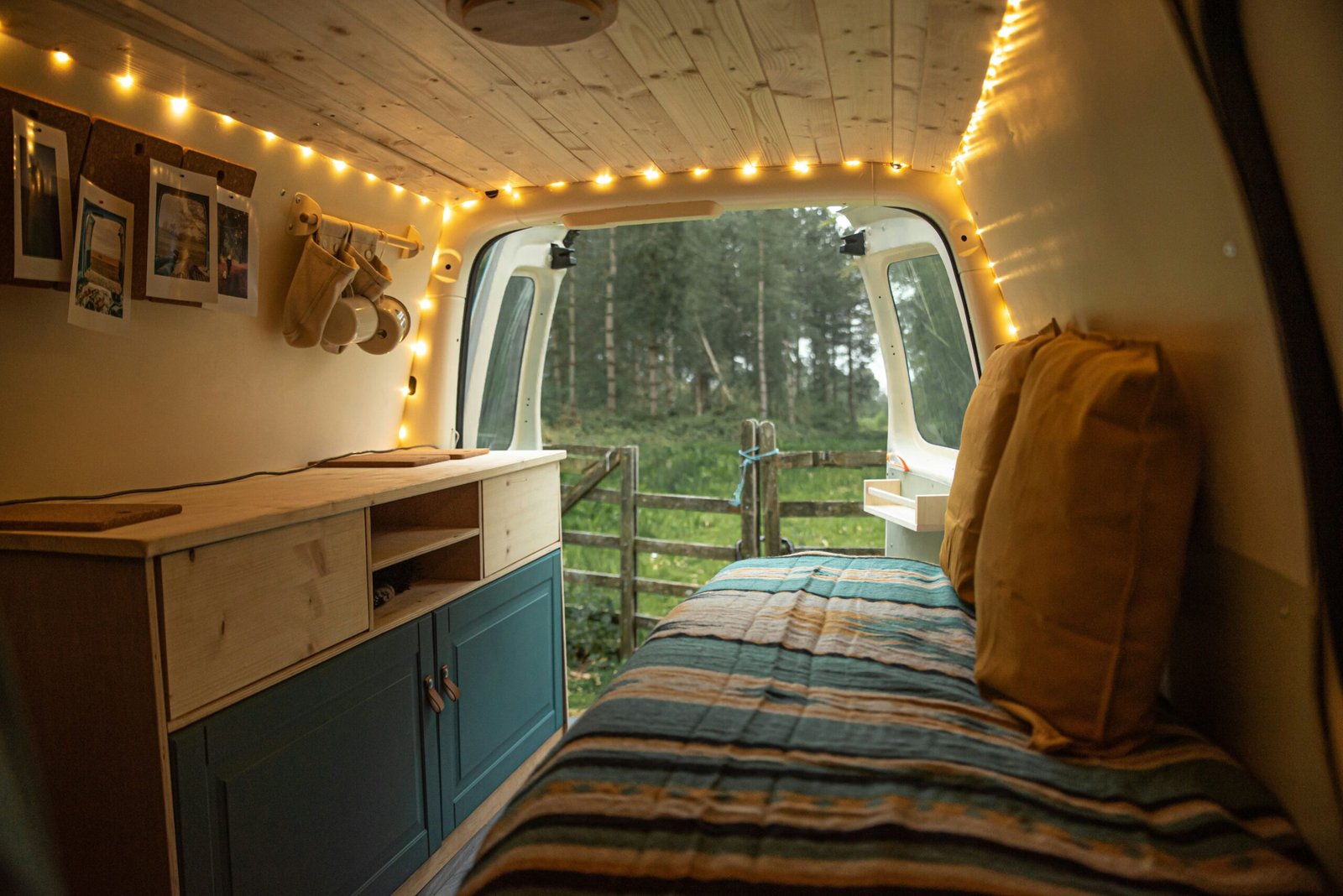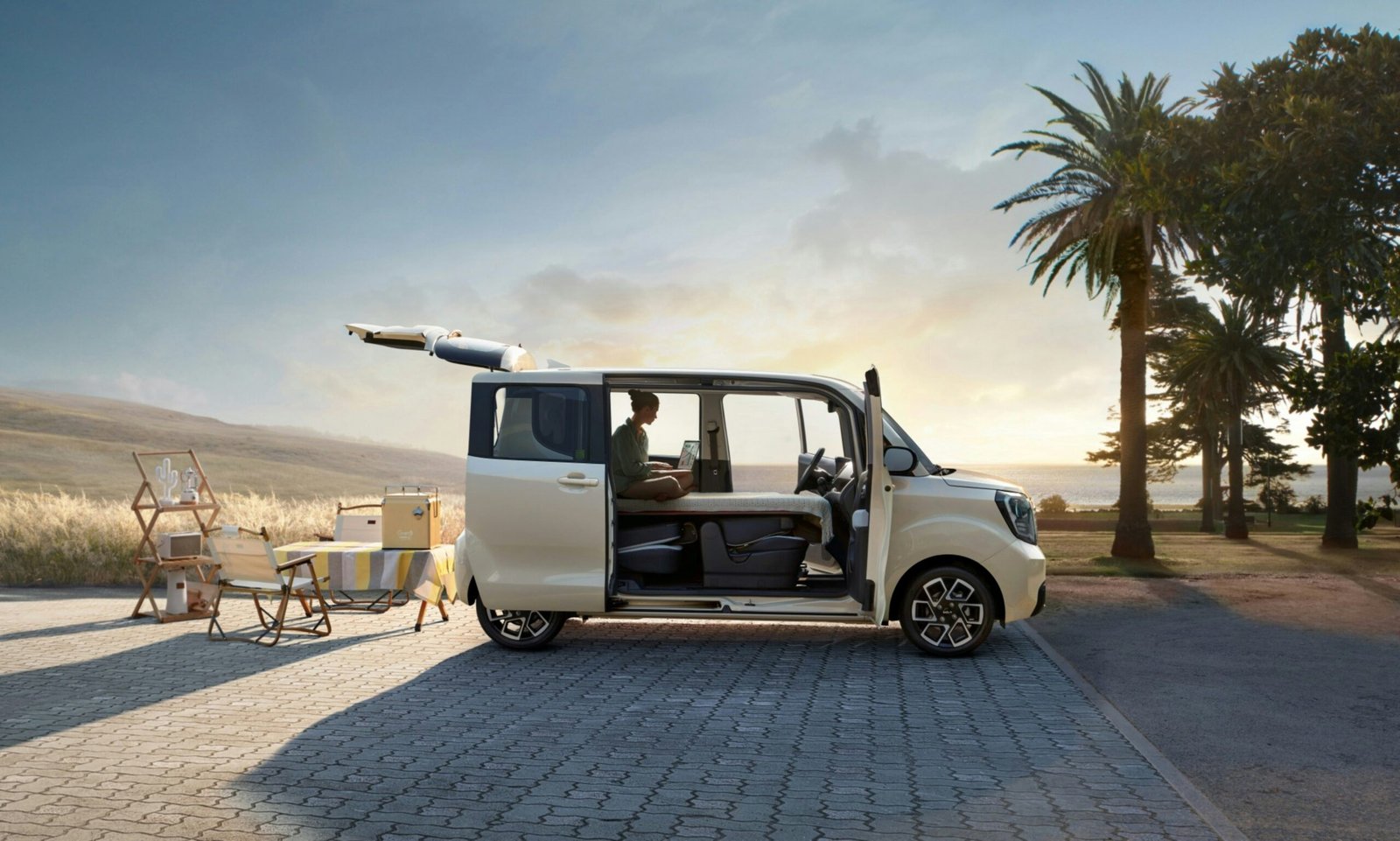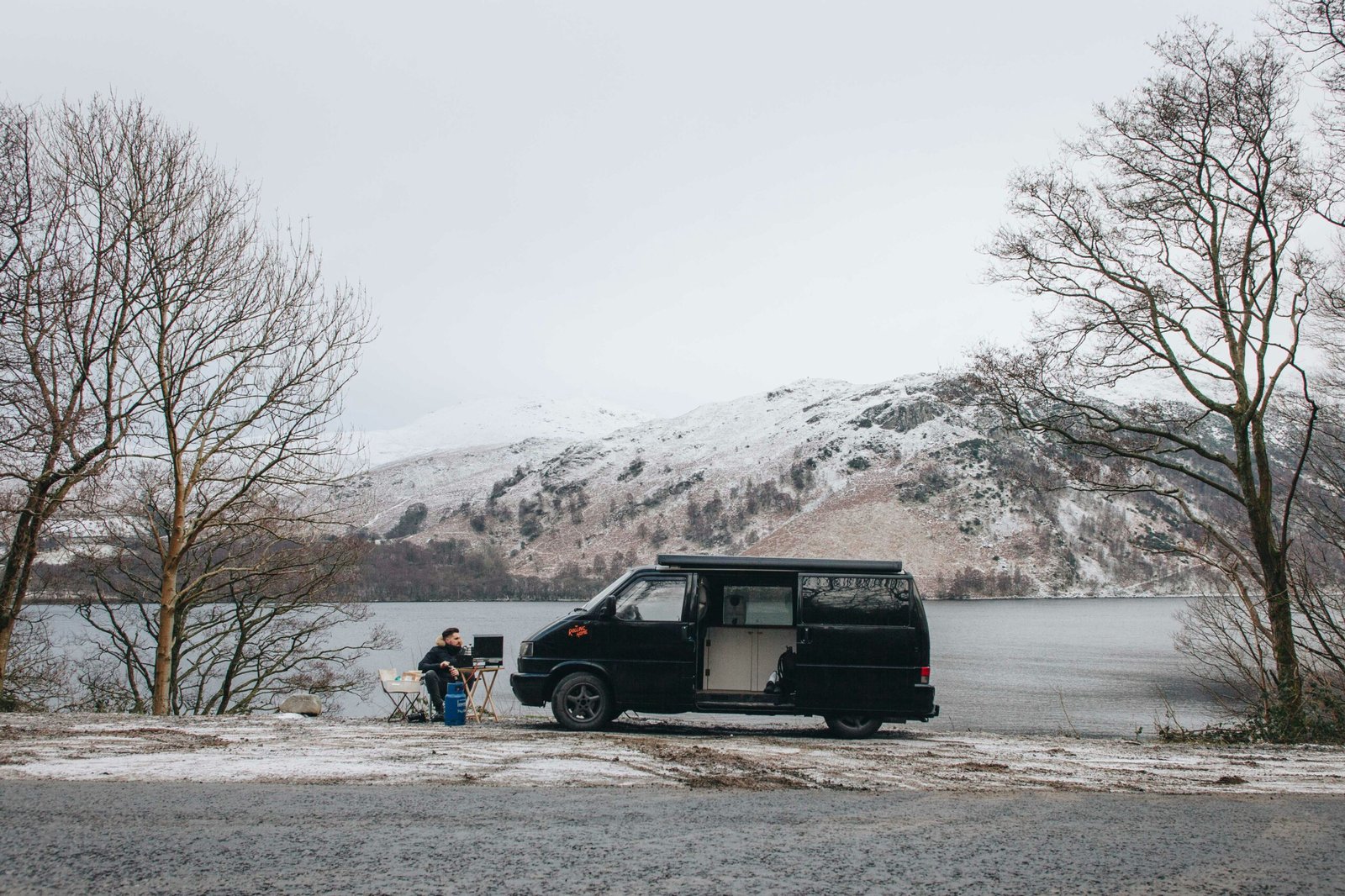
Winter is the season that separates casual van lifers from committed ones. Done wrong, a campervan in winter is a damp, freezing, miserable box you can’t wait to escape. Done right, it’s cosy, warm, and lets you wake up to snow-covered mountains with nobody else around. The difference comes down to three things: heat, insulation, and managing moisture. Get those right and winter becomes one of the best times to be on the road.
Cold-weather van life also costs more — heating fuel, more paid campsites, higher food bills. Plan for it with VanCalc’s free budget calculator.
Heating: The Non-Negotiable
You cannot do winter van life comfortably without a proper heater. This is the single most important thing, and it’s where you should never cut corners.
The options, from best to worst for full-time winter use:
- Diesel air heater — the gold standard for winter van life. A diesel heater (~$120) runs off your van’s fuel tank or a small separate tank, produces dry heat, and sips fuel. It keeps a van toasty even at -20°C and costs pennies per hour to run. This is what serious cold-weather van lifers use.
- Propane heaters — a Mr Heater Buddy (~$89) is a popular backup, but propane produces moisture as it burns, which worsens condensation. Fine for occasional use, not ideal as a primary winter heat source.
- Electric heaters — only viable if you have shore power (hookups). Useless off-grid because they drain batteries in minutes.
Whatever you use, a carbon monoxide detector (~$32) is absolutely mandatory. Running any combustion heater in an enclosed space without one is a genuine risk to your life. Non-negotiable.
The Real Enemy: Condensation
Here’s what surprises first-time winter van lifers — the biggest problem often isn’t the cold, it’s the moisture. Every breath you exhale, every pot you cook, every wet coat adds water to the air. In a cold van, that water condenses on every cold surface: windows, walls, ceiling. Left unmanaged, it leads to damp bedding, mould, and a van that never feels dry.
How to fight it:
- Ventilate constantly — it feels wrong to open a vent when it’s cold, but airflow is what removes moisture. A roof fan (~$159) running low is your best friend
- Use dry heat — this is why diesel heaters beat propane; they don’t add moisture
- Crack a window when cooking — boiling water dumps huge amounts of moisture into the air
- Wipe down windows in the morning — a quick daily habit that stops mould building up
- Use a moisture absorber — a moisture absorber (~$12) helps in the worst conditions
Insulation: Do It Before Winter, Not During
If you’re building or upgrading your van, proper insulation is what makes heating actually work. A well-insulated van holds heat for hours; a poorly insulated one bleeds it the moment the heater turns off.
- Windows are the weak point — they lose the most heat. Reflectix window covers (~$55) make a dramatic difference and double as blackout blinds
- Insulate the floor — cold rises through the floor faster than people expect
- Thermal curtains — separating the cab from the living space traps heat where you need it
- Don’t block ventilation entirely — insulation and airflow have to coexist
For a full build breakdown, see our van conversion cost guide.
Staying Warm at Night
Even with a heater, most van lifers turn it off overnight (for safety and fuel). So your sleep system matters:
- A proper cold-rated sleeping bag or duvet — rated lower than the temperatures you expect
- A 12V heated mattress pad (~$45) — warms the bed directly, far more efficient than heating the whole van
- Merino wool base layers — sleep in them; they’re warm and don’t get clammy
- A warm hat — you lose real heat through your head. Sounds silly, works.
- Hot water bottle — old-school and genuinely effective
Battery & Power in the Cold
Cold weather hits your electrical system in two ways: batteries lose capacity in the cold, and short winter days mean far less solar. Plan for it:
- Lithium (LiFePO4) batteries handle cold better than AGM but shouldn’t be charged below freezing without a heater — many quality ones have built-in low-temp protection
- Expect much less solar — winter sun is weak and low. A 200W panel that powers everything in summer may struggle in December
- Alternator charging matters more — driving becomes your reliable charging source in winter
- A portable power station (~$899) as backup covers you through dark spells
See our solar setup guide for sizing your system.
Driving in Winter
- Winter tyres or all-seasons — essential in snow and ice, legally required in some European countries in winter
- Carry snow chains — mandatory on some mountain passes; know how to fit them before you need to
- Keep the fuel tank above half — for the heater and in case you get stuck
- Watch for diesel gelling — in extreme cold, diesel can gel; winter diesel and additives prevent it
Where to Go for Winter Van Life
Two strategies: embrace the cold, or chase the sun.
Embrace it: The Alps, the Scottish Highlands, the Dolomites, the US mountain west — for skiing, snow, and dramatic empty landscapes. Requires the full winter setup above.
Chase the sun: Many European van lifers head south for winter — southern Spain, Portugal, Morocco, Sicily. Mild temperatures, cheap living, and no condensation battles. This is why so many UK and northern European van lifers become winter migrants. See our Europe van life guide for routes south.
Recommended Winter Gear
- Diesel air heater (~$120) — the foundation of comfortable winter van life
- CO detector (~$32) — mandatory with any combustion heater
- Roof fan (~$159) — condensation control through ventilation
- 12V heated mattress pad (~$45) — efficient overnight warmth
- Reflectix window covers (~$55) — stops the biggest heat loss
The Bottom Line
A campervan in winter is completely doable — and genuinely magical — once you’ve got the setup right. A diesel heater, good insulation, and a real handle on condensation are the three things that matter most. Add a warm sleep system and plan your power around short days, and you can be cosy in a van while it snows outside.
Or do what a lot of seasoned van lifers do: point the van south and skip winter altogether. Both are valid. Both beat paying rent.
→ Plan your winter van life budget for free at VanCalc
Related reads: Van Life Solar Setup · Van Conversion Cost · Van Life Packing List