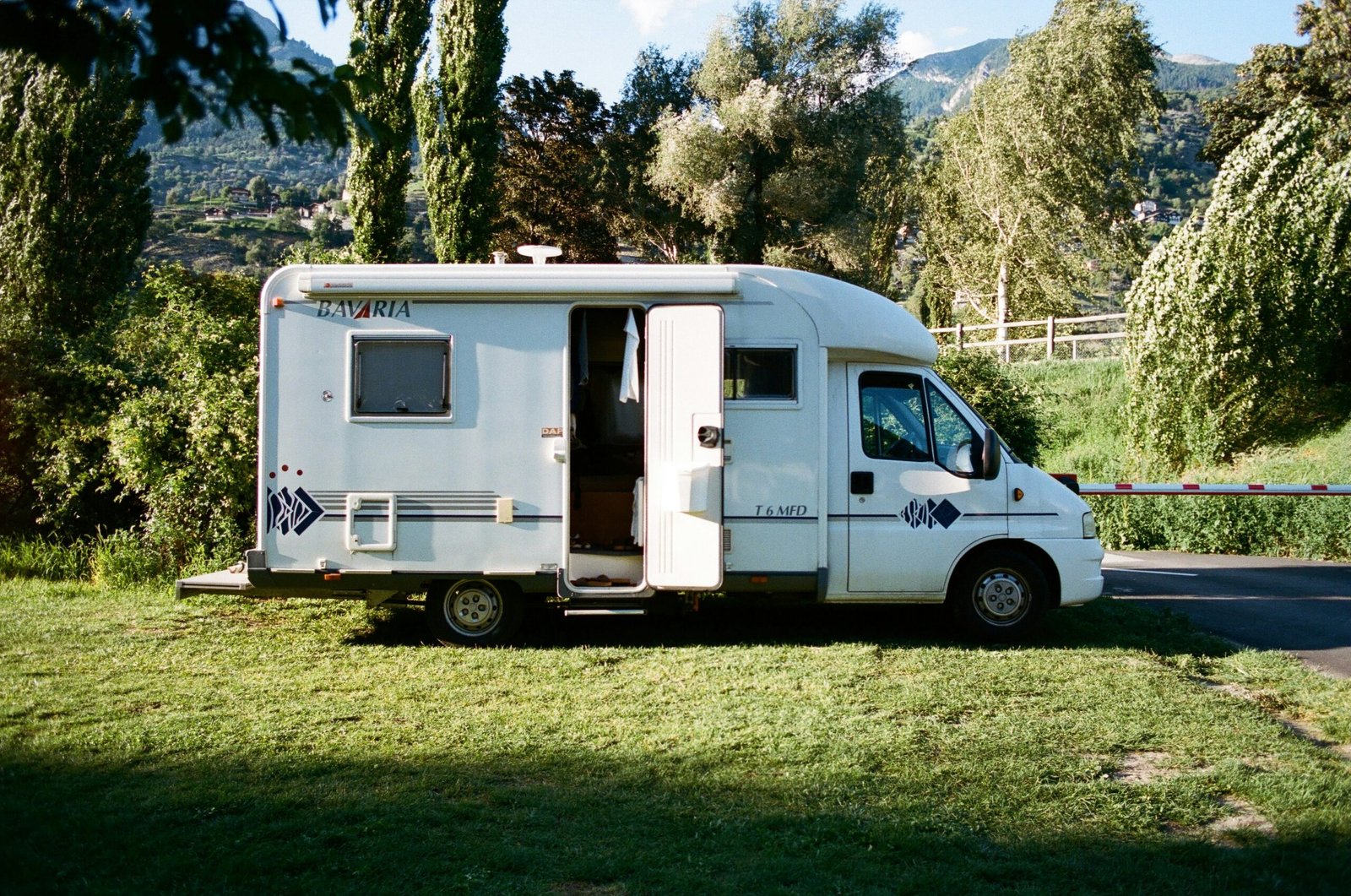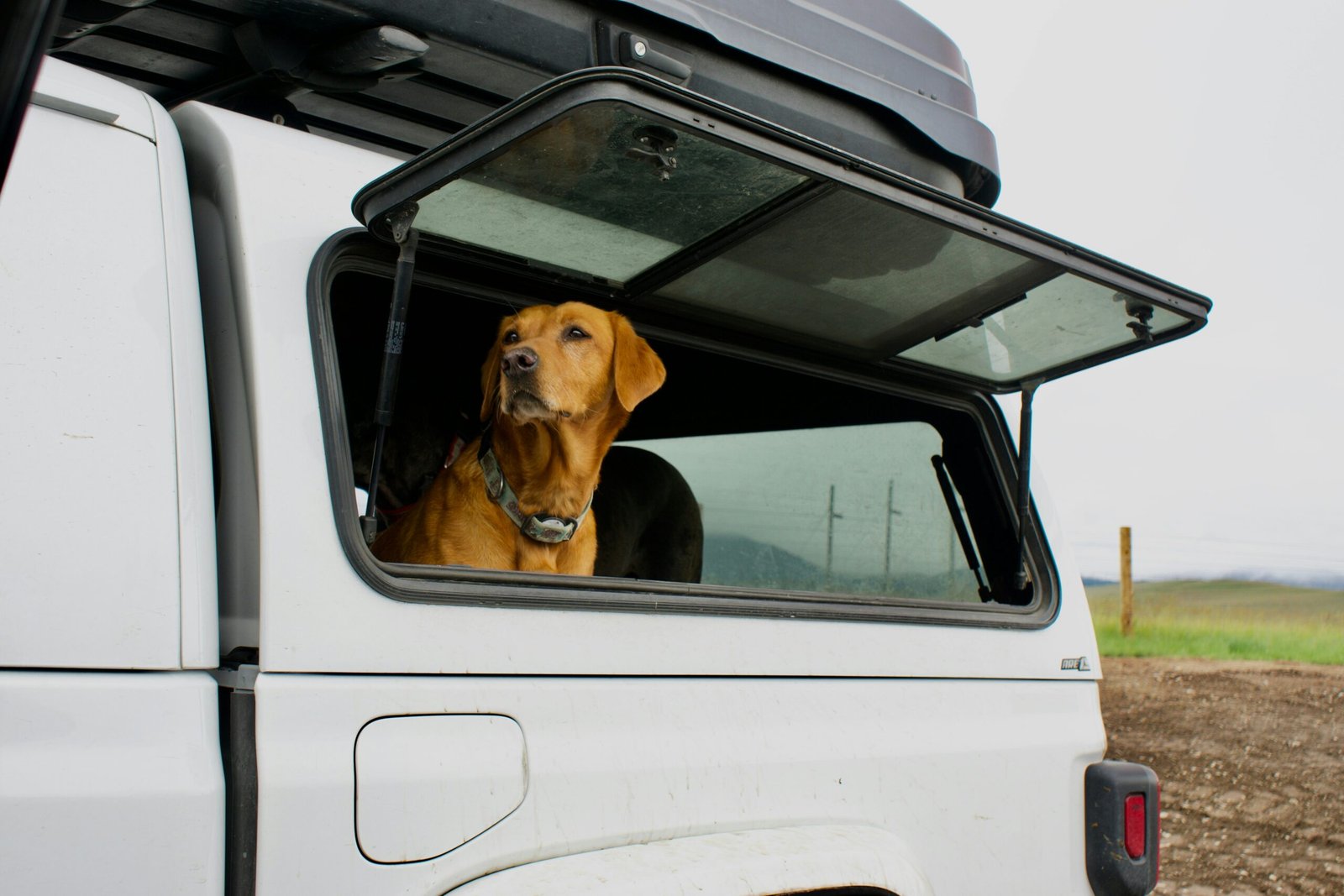
Everyone pictures dogs when they think of van life pets, but cats can make surprisingly excellent road companions. They’re self-sufficient, they don’t need walking, they sleep most of the day, and they’re perfectly happy in a small space as long as it’s their space. That said, van life with a cat comes with its own specific challenges — and they’re different from the dog ones. Here’s how to make it work.
A cat affects your running costs too — litter, food, vet care. Plan it into your budget with VanCalc’s free budget calculator.
The Good News: Cats Are Built for Van Life
In many ways cats are easier than dogs on the road. They don’t need to be walked, they don’t bark at every passer-by, they’re content in compact spaces, and they sleep 12–16 hours a day. A cat that’s bonded to you will often settle into van life faster than you expect — your van becomes their territory, and they’re famously fond of territory.
The challenges are different: litter, escape risk, and the fact that cats are harder to travel-train than dogs. None of them are dealbreakers.
The Litter Question
This is the first thing everyone asks, and it’s very solvable. The key is a setup that contains odour and mess in a small space.
- Use a covered or top-entry litter box — a top-entry litter box (~$35) dramatically reduces litter scatter in a van
- Store it in a dedicated spot — under the bed, in a garage area, or a slide-out drawer
- Use clumping, low-dust litter — easier to clean daily and keeps the air clear in a small space
- Ventilation is everything — a roof fan (~$159) keeps odours moving out, not lingering
- Scoop daily — in a van there’s no room to let it slide
Keeping Your Cat From Escaping
This is the real risk with cats. A spooked cat that bolts in an unfamiliar location can be very hard to recover. Prevention is everything:
- Microchip + collar with ID and your phone number — essential
- A GPS tracker — a cat GPS tracker (~$50) gives you real peace of mind on the road
- Be extremely careful opening doors when you’ve just arrived somewhere new — this is when bolts happen
- Train them to a routine so they associate the van with home and food and don’t want to wander far
Harness Training: Worth the Effort
A cat that walks on a harness opens up van life enormously — they get fresh air and stimulation, and you get a cat that’s less likely to bolt because it’s used to the outdoors on its terms.
Start before you hit the road if you can. Get a proper escape-proof cat harness (~$20) — cats are escape artists and a normal harness won’t hold them. Introduce it slowly indoors, reward heavily, and build up to short outdoor sessions. Not every cat takes to it, but many do with patience.
Keeping Your Cat Safe While Driving
- Secure carrier while moving — a loose cat under the pedals is genuinely dangerous. A secured travel carrier (~$45) keeps everyone safe
- Let them out once parked — most cats settle once the van stops and becomes “home” again
- Some cats prefer to roam while driving — only allow this if they’re calm and it doesn’t distract you; many owners keep them carrier-bound for safety
Heat: The Same Rule as Dogs
Cats handle heat slightly better than dogs but the danger is identical — never leave your cat in a parked van in warm weather. The metal box heats fast. A WiFi temperature monitor (~$50) that alerts your phone is just as essential for a cat as a dog, and a roof fan moving air is the baseline.
Vet Admin & Borders
Same as for dogs: keep digital copies of vaccination and microchip records, stay current on flea/tick/worm treatment, and know where emergency vets are along your route. For crossing between the UK and EU, cats need the same paperwork as dogs — an Animal Health Certificate (UK) or Pet Passport (EU), rabies vaccination, and a microchip. Always check current requirements for each country before travelling.
Recommended Gear for Campervan Life With a Cat
- Top-Entry Litter Box (~$35) — minimises litter scatter in a small space
- Cat GPS Tracker (~$50) — find them fast if they wander or bolt
- Escape-Proof Harness (~$20) — safe outdoor time without the bolt risk
- WiFi Temperature Monitor (~$50) — alerts you if the van gets too hot
- Maxxair Roof Fan (~$159) — ventilation for temperature and litter odour
The Bottom Line
Don’t let anyone tell you cats can’t do van life — plenty do, and thrive. The trick is respecting what makes a cat a cat: give them their own territory in the van, take escape risk seriously with a tracker and careful door discipline, sort out a tidy litter setup, and never get complacent about heat.
Get those right and you’ve got a low-maintenance, self-sufficient travel companion who’ll spend most of the journey asleep in the sunniest spot in the van.
→ Plan your campervan budget — cat included — for free at VanCalc
Related reads: Campervan With a Dog · Van Life for Beginners · Van Life Packing List