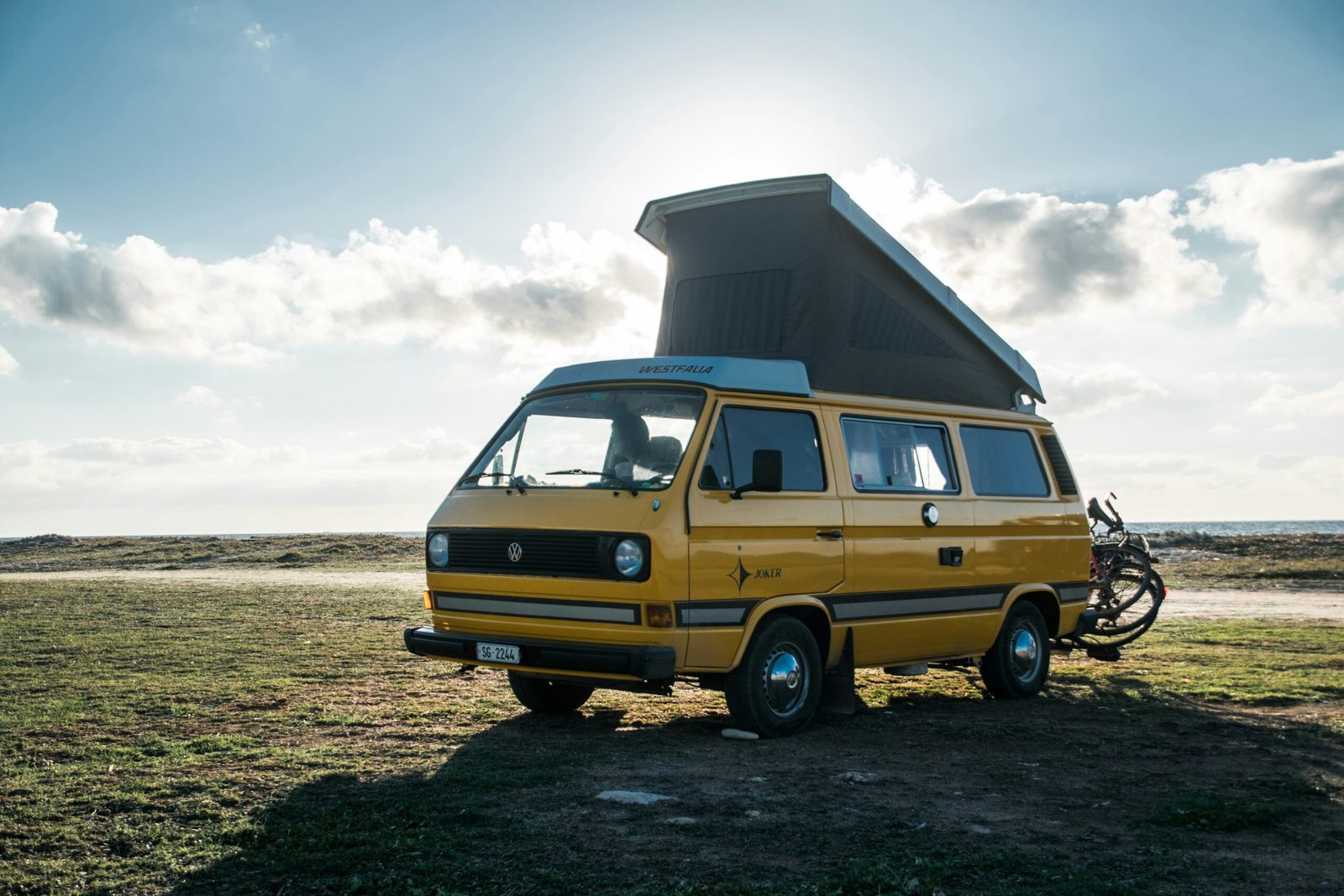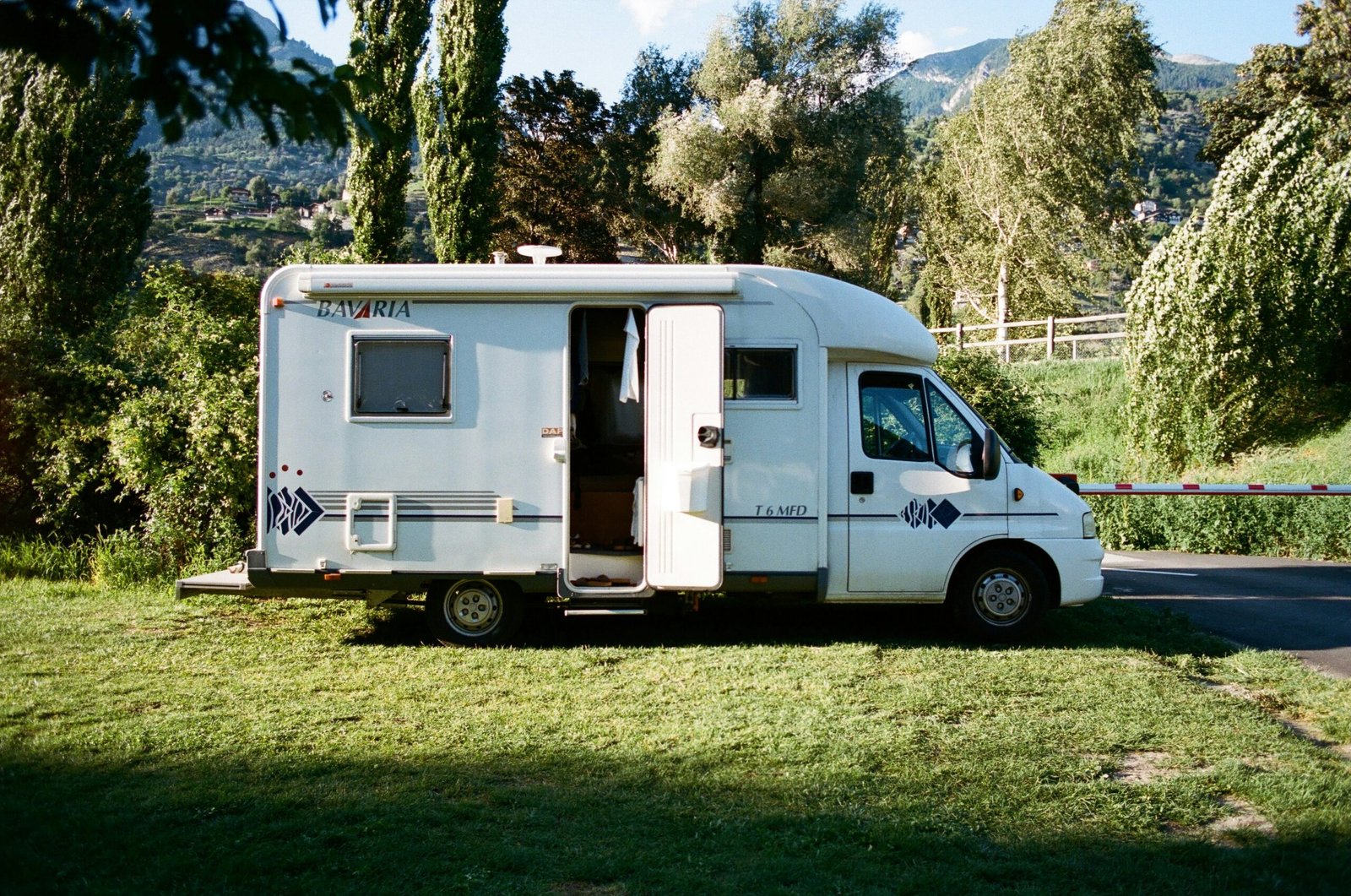
Renting a campervan is the smartest way to try van life before committing to buying one — but the sticker price you see advertised is rarely what you actually end up paying. Between insurance, mileage caps, one-way fees and the fuel a big van drinks, the real cost can be double the headline daily rate if you’re not careful. Here’s an honest breakdown of what renting a campervan actually costs, so you can budget properly.
Before you book anything, use VanCalc’s free route and fuel calculators to estimate the full cost of your trip — not just the rental, but the fuel and camping too.
The Headline Daily Rates
Campervan rental prices vary massively by season, location, and how fancy the van is. Rough guides:
| Van type | Low season / day | Peak season / day |
|---|---|---|
| Basic camper (US) | $75–$120 | $150–$250 |
| Premium camper (US) | $150–$250 | $250–$400 |
| Basic camper (UK/EU) | £60–£100 | £120–£200 |
| Premium camper (UK/EU) | £120–£180 | £200–£350 |
Season is the single biggest factor. Renting a campervan in July can cost more than double the same van in March. If your dates are flexible, shoulder season (spring and autumn) saves you serious money.
The Costs They Don’t Advertise
This is where the real budget lives. The daily rate is just the start:
- Insurance / damage waiver — often $15–$40/day on top, and the basic version usually has a huge excess. Reducing the excess costs more.
- Mileage caps — many rentals limit you to 100–150 miles/day and charge $0.20–$0.40 per extra mile. On a road trip, this adds up fast. Look for unlimited mileage deals.
- One-way fees — picking up in one city and dropping in another can add $150–$500.
- Cleaning and prep fees — often $50–$150, sometimes mandatory.
- Kitchen/bedding kits — some companies charge extra for the stuff that makes it a campervan (bedding, cooking gear, camp chairs).
- Young driver surcharge — under 25s often pay more.
- Generator or extra equipment — add-ons that stack up.
Don’t Forget the Fuel
Campervans are heavy and thirsty, and fuel is a cost people badly underestimate when renting. A big motorhome-style camper might only do 15–18 mpg (US) or 25–30 mpg (UK/EU diesel). On a week-long road trip covering real distances, fuel can easily be your second-biggest cost after the rental itself.
This is exactly what VanCalc’s fuel calculator is for — plug in the van’s mpg and your planned distance to get a realistic fuel figure before you go. It’s the difference between a budget that holds and one that blows out halfway through.
A Realistic Total Cost Example
Let’s price a 7-day US campervan road trip in shoulder season, honestly:
| Cost | 7-day total |
|---|---|
| Van rental ($130/day) | $910 |
| Insurance upgrade ($25/day) | $175 |
| Fuel (~800 miles @ 16mpg) | $180 |
| Campsites (mix of paid/free) | $150 |
| Cleaning + kit fees | $120 |
| Food & extras | $300 |
| Total | ~$1,835 |
So a van advertised at “$130/day” actually costs closer to $260/day all-in once everything’s added. That’s not a scam — it’s just how rentals work. The lesson is to budget for the real total, not the headline rate.
Where to Rent a Campervan
The main options, broadly:
- Peer-to-peer platforms (Outdoorsy, Yescapa in Europe) — rent from private owners, often cheaper and more characterful than big fleets. Quality varies.
- Big rental companies (Indie Campers, Escape Campervans, McRent) — consistent, professional, usually pricier. Good for peace of mind.
- Local independents — small companies often offer better rates and service than the big chains, especially outside major cities.
Compare a few, read recent reviews, and always check exactly what’s included versus what’s an add-on. Two vans at the same daily rate can have wildly different real costs once fees are factored in.
How to Keep Rental Costs Down
- Travel in shoulder season — the single biggest saving. Spring and autumn can halve the daily rate.
- Look for unlimited mileage — essential for a real road trip. Mileage caps quietly wreck budgets.
- Book early for peak season — the cheapest vans go first for summer.
- Return to the same location — avoid one-way fees where you can.
- Bring your own kit — camp chairs, bedding and cooking gear are cheaper to bring than to rent. See our van life packing list.
- Use free camping — mixing free spots with paid sites cuts accommodation costs dramatically. Read our free camping guide.
Should You Rent or Buy?
If you’re doing a one-off trip or testing whether van life is for you, renting is the obvious choice — no build, no maintenance, no commitment. But if you find yourself renting for more than a few weeks a year, the maths starts to favour buying and converting your own.
As a rough rule: renting makes sense up to around 3–4 weeks of use per year. Beyond that, owning usually works out cheaper over time — and gives you a van set up exactly how you like it. If you’re weighing it up, our guides on van conversion cost and best campervans to buy will help you compare.
The Bottom Line
Renting a campervan is the best low-commitment way to try van life — but budget for the real cost, not the advertised daily rate. Insurance, mileage, fees and fuel can roughly double the headline price. Travel in shoulder season, hunt for unlimited mileage, bring your own kit, and use free camping to keep it affordable.
And whatever trip you’re planning, run the numbers first — it’s the difference between a road trip you enjoy and one you spend worrying about money.
→ Estimate your full campervan trip cost for free at VanCalc
Related reads: Van Life for Beginners · Campervan Budget Breakdown · Best Campervans to Buy