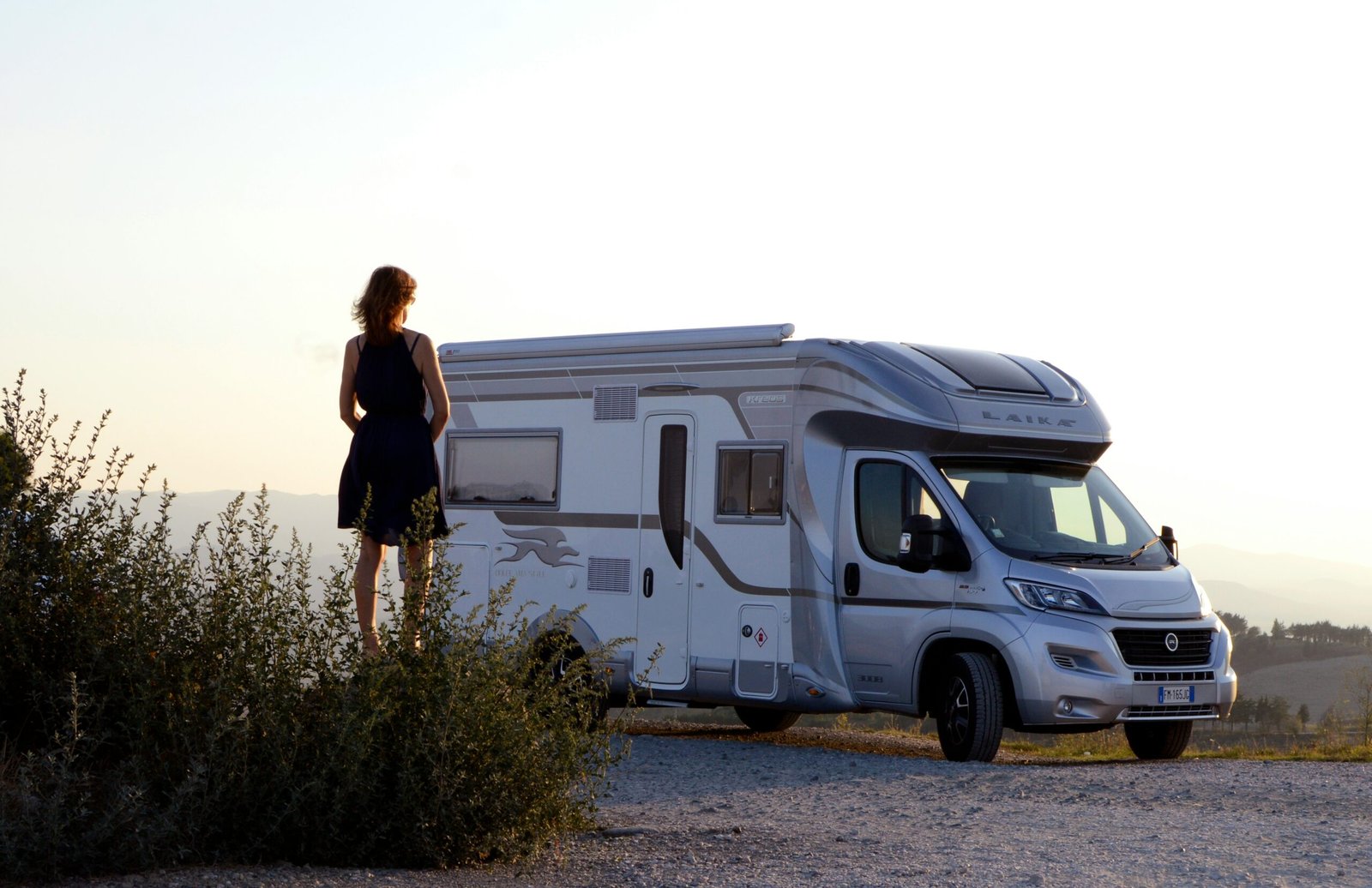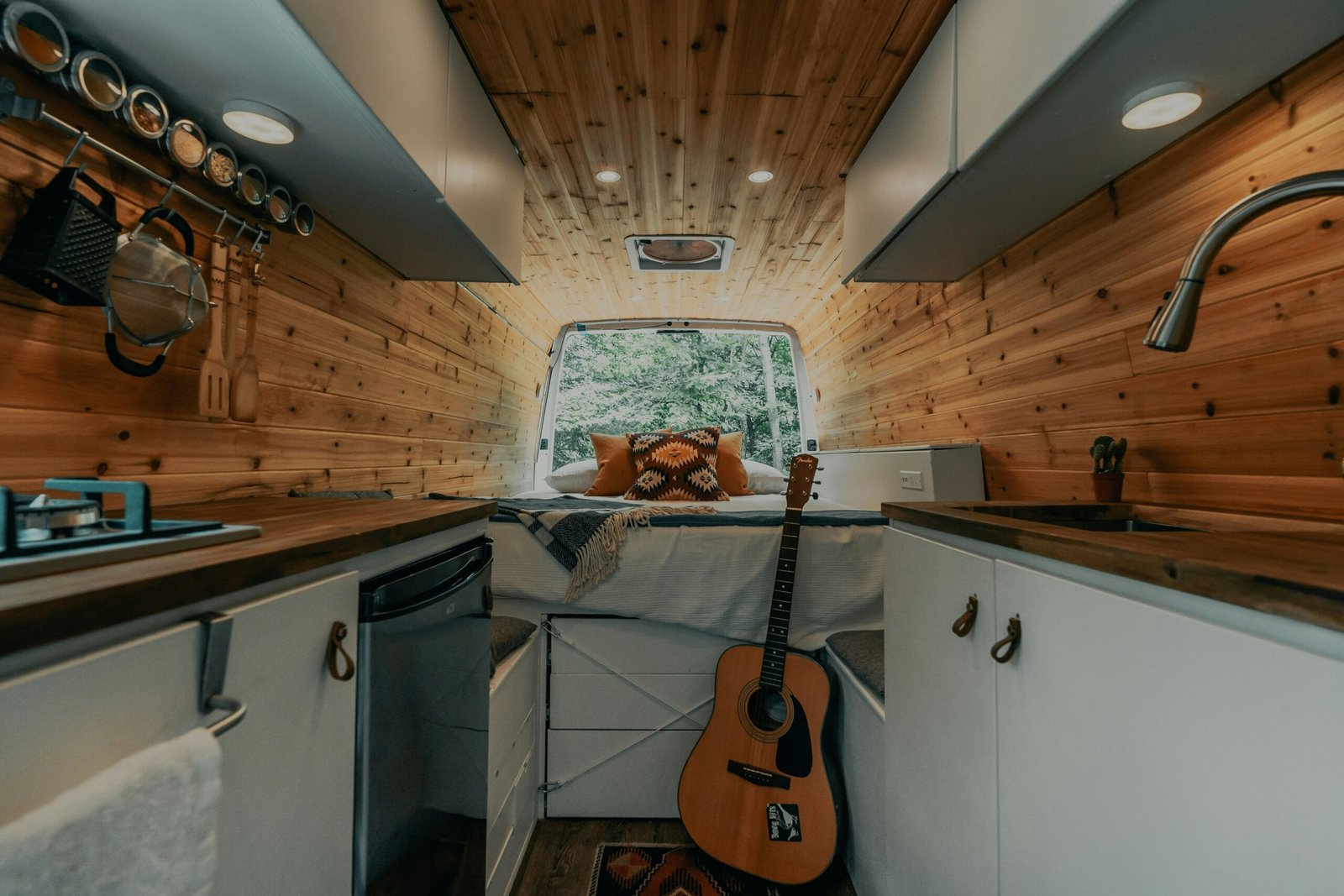
The van conversion cost in 2026 ranges from $8,000 for a basic DIY build to $80,000+ for a professional conversion — but most people land somewhere in between, and knowing exactly where to spend and where to save makes all the difference. This is the most detailed cost breakdown you’ll find, based on real 2026 prices for materials, tools, and labour.
Before you build, use VanCalc’s free budget calculator to estimate your monthly running costs once you’re on the road — so you know the full picture before you commit.
Van Conversion Cost 2026: The Three Build Levels
Every van conversion decision comes down to three variables: how much you want to spend, how much time you have, and how long you plan to live in it. Here’s how the three main build levels break down in 2026:
| Build Level | DIY Cost (excl. van) | Total inc. van | Time to build |
|---|---|---|---|
| Budget | $3,000–$6,000 | $18,000–$28,000 | 4–8 weeks |
| Mid-range | $8,000–$15,000 | $25,000–$45,000 | 8–16 weeks |
| Premium | $20,000–$50,000 | $45,000–$100,000+ | 16+ weeks or professional |
Step 1: The Van — $12,000–$45,000
The van itself is almost always the biggest cost. In 2026, used van prices have stabilised after the post-pandemic surge but remain elevated compared to pre-2020 levels.
Most popular van builds in the US
- Ford Transit (high-roof, LWB) — $15,000–$35,000 used. The most popular van life platform in the US. Parts are cheap and widely available. Gets 17–22 mpg highway.
- Mercedes Sprinter 144″ or 170″ — $18,000–$40,000 used. More expensive but beloved for its driving feel and diesel efficiency. The classic “van life van.”
- Ram ProMaster — $13,000–$28,000 used. Front-wheel drive (unusual for a cargo van), very tall roof, good build platform. More affordable than a Sprinter.
- Dodge Grand Caravan / Chrysler Pacifica — $5,000–$15,000. Budget stealth option for solo travellers. Less space but much cheaper to buy and run.
Most popular van builds in Europe
- Mercedes Sprinter (diesel) — €12,000–€35,000 used. Dominant in Europe for good reason — diesel fuel economy, parts everywhere, huge community support.
- VW Crafter / MAN TGE — €15,000–€40,000. Premium option with excellent build quality.
- Fiat Ducato / Peugeot Boxer / Citroën Jumper — €8,000–€22,000. The budget workhorse of European van conversions. Extremely common, cheap parts, good fuel economy.
Key buying advice: Get a pre-purchase inspection from an independent mechanic before buying any used van. A $150 inspection can save you from a $5,000 surprise. Check for rust on the undercarriage, DPF issues on diesels, and high idle hours on sprinters used for refrigeration.
Step 2: Insulation — $200–$1,200
Insulation is the most important thing you can do for year-round comfort — and one of the most debated topics in the van life community. The right insulation depends on your climate and budget.
- Thinsulate (3M 600-loft) — $400–$700 for a full van. The gold standard for van insulation. Doesn’t absorb moisture, excellent thermal performance, no off-gassing. Used by most serious van lifers.
- Spray foam — $200–$400 DIY. Good for filling cavities and wheel wells. Use closed-cell spray foam for moisture resistance.
- Rigid foam board (XPS) — $150–$300. Budget option for walls and ceiling. Works well but harder to fit around curves.
- Reflectix (~$60) — Add to windows and doors as a radiant barrier. Not a replacement for real insulation but a useful supplement.
Don’t skip the ceiling. Heat rises and escapes through the roof faster than anywhere else. A poorly insulated ceiling means a cold van in winter and a hot van in summer.
Step 3: Flooring — $100–$600
Most van lifers use vinyl plank flooring over a plywood subfloor. It’s durable, waterproof, easy to clean, and looks great.
- Plywood subfloor (12mm): $80–$150
- Vinyl plank flooring: $80–$200 for a full van
- Cork underlayment (adds insulation): $40–$80
Step 4: Electrical System — $800–$5,000
The electrical system is the most technically complex part of a van conversion — and the one where spending more upfront saves the most money long-term. Here’s the honest breakdown:
Budget electrical setup (~$800–$1,200)
- 100W solar panel (~$100)
- 100Ah AGM battery (~$180)
- Basic PWM charge controller (~$30)
- 400W inverter (~$60)
- Basic wiring and fuses (~$150)
Suitable for: phone charging, LED lights, small fan. Not enough for a fridge or laptop-heavy remote work.
Mid-range setup (~$1,800–$2,800)
- 200–400W solar panels (~$189–$400)
- 200Ah LiFePO4 lithium battery (~$600–$900)
- Victron SmartSolar MPPT controller (~$149)
- 1000W pure sine inverter (~$120)
- DC-DC charger (charges from alternator while driving) (~$180)
- Wiring, fuses, bus bars (~$200)
Suitable for: laptop, fridge, lights, fan, phone — the full remote work setup. This is what most full-time van lifers run.
Premium setup (~$3,500–$5,000)
- 400–600W solar
- 400Ah LiFePO4 or quality power station
- Victron MultiPlus inverter/charger
- Battery monitor and smart BMS
Suitable for: everything above plus air conditioning, power tools, coffee machine, multiple devices simultaneously.
Step 5: Bed Platform — $200–$800
The bed is the most-used piece of furniture in your van — don’t cheap out on comfort here.
- Plywood and lumber for frame: $100–$200
- Cut-to-fit foam mattress (4–6″): $150–$400 from a foam supplier (not IKEA — get the right dimensions)
- Fitted sheets and bedding: $100–$200
Decide early on fixed vs. convertible bed. Fixed beds (always set up) are more comfortable and easier to live with. Convertible beds (fold away to create more daytime space) are better for smaller vans.
Step 6: Kitchen — $400–$2,500
- Countertop and cabinets (plywood build): $200–$600
- 2-burner propane stove (~$89): The most practical cooking setup
- 12V compressor fridge (~$329): Game-changer for food storage — no ice, no mess
- Sink with hand pump or 12V pump: $80–$200
- Fresh and grey water tanks: $60–$150
Step 7: Ventilation & Climate — $200–$800
- Maxxair roof vent fan (~$159): Non-negotiable for summer van life. 10 speeds, thermostat, remote.
- Diesel air heater (~$120): Essential for winter. Runs off your van’s diesel tank, heats the van in minutes.
Step 8: Safety — $100–$400
- CO detector (~$35): Non-negotiable if you use any combustion appliance inside
- Smoke detector: ~$20
- Fire extinguisher: ~$30
- First aid kit: ~$40
- Garmin inReach Mini 2 (~$349): Satellite communicator for remote areas — SOS button, two-way messaging
Full Van Conversion Cost Summary 2026
| Component | Budget | Mid-range | Premium |
|---|---|---|---|
| Van | $12,000–$18,000 | $18,000–$30,000 | $30,000–$45,000 |
| Insulation | $200–$400 | $400–$700 | $700–$1,200 |
| Flooring | $150–$250 | $250–$400 | $400–$600 |
| Electrical | $800–$1,200 | $1,800–$2,800 | $3,500–$5,000 |
| Bed | $200–$400 | $400–$600 | $600–$800 |
| Kitchen | $400–$700 | $700–$1,200 | $1,200–$2,500 |
| Climate | $150–$280 | $280–$450 | $450–$800 |
| Safety | $100–$150 | $150–$250 | $250–$400 |
| TOTAL | $14,000–$21,380 | $22,000–$36,400 | $37,100–$56,300 |
How to Save Money on Your Van Conversion
- Buy second-hand where possible — Facebook Marketplace, Craigslist, and van life forums sell used conversion components constantly. Solar panels, fridges, and fans often go for 50% of retail.
- Build the electrical system yourself — It’s the most intimidating part but also the most learnable. YouTube channels like Explorist.life and FarOutRide have free wiring guides that will save you $2,000–$5,000 in labour.
- Don’t over-build for your first van — Start simple. Most van lifers rebuild or upgrade after 6–12 months on the road once they know what they actually need.
- Buy a newer van if you can — A $25,000 reliable van beats a $12,000 van with $8,000 in problems every time.
The Bottom Line
The real van conversion cost in 2026 for a functional, comfortable full-time build — van included — is $22,000–$36,000 for most people. You can go lower with a budget van and minimal build, or much higher with premium materials and professional labour. The best build is the one that matches your budget and how you actually plan to live.
Once you’re built and on the road, use VanCalc to calculate your monthly running costs — fuel, camping, food, insurance, and maintenance — so you know exactly what you need to earn or save before you go full-time.
→ Calculate your van life monthly budget for free at VanCalc